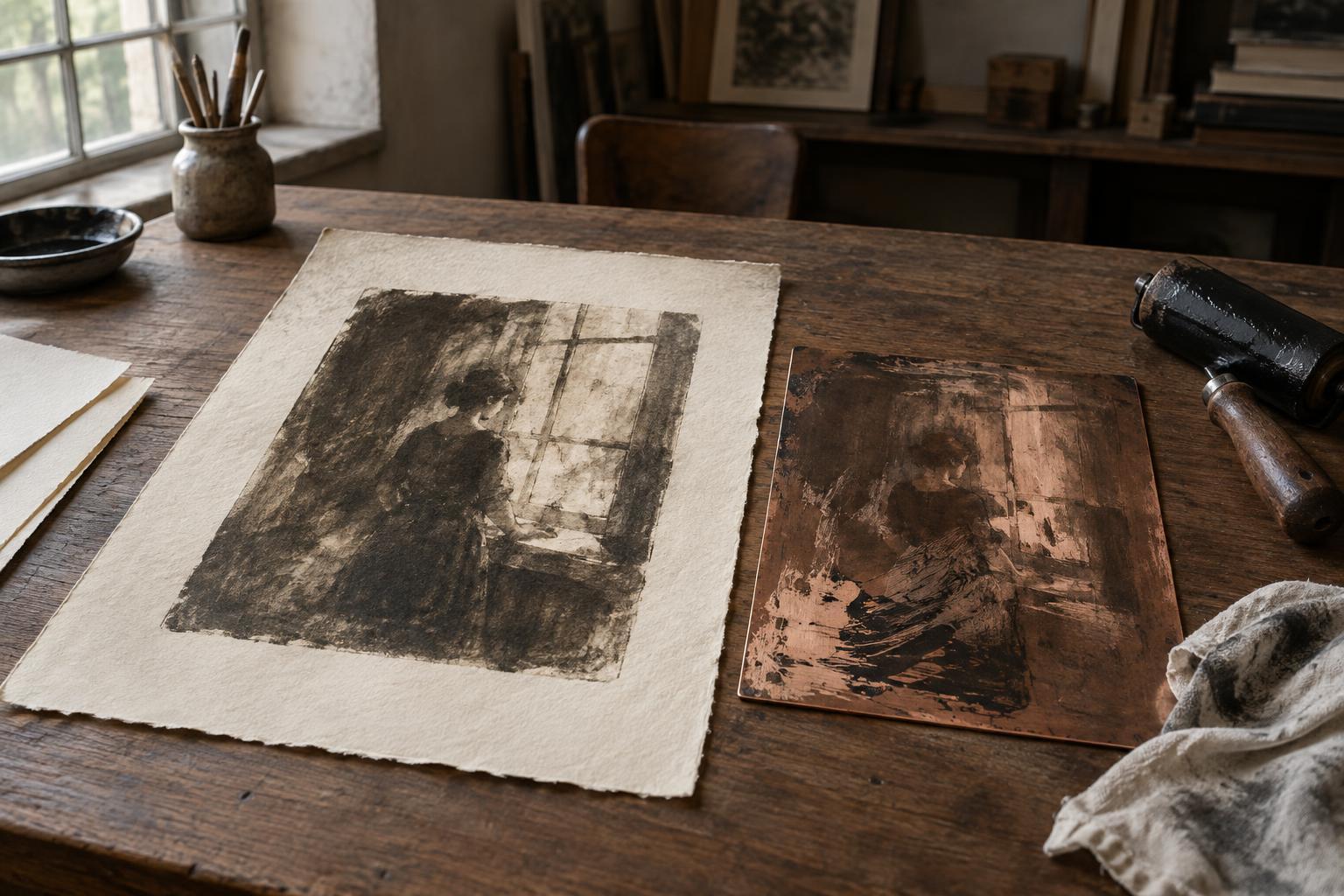
Printmaking HistoryMost printmaking methods can produce an edition of similar impressions. The monotype takes a different path: an artist makes an image in ink on a smooth surface, then transfers it to paper, usually producing one strong impression. Its history shows how printmakers have used that uncertainty to explore light, gesture and variation.
Read article · 3 min↗
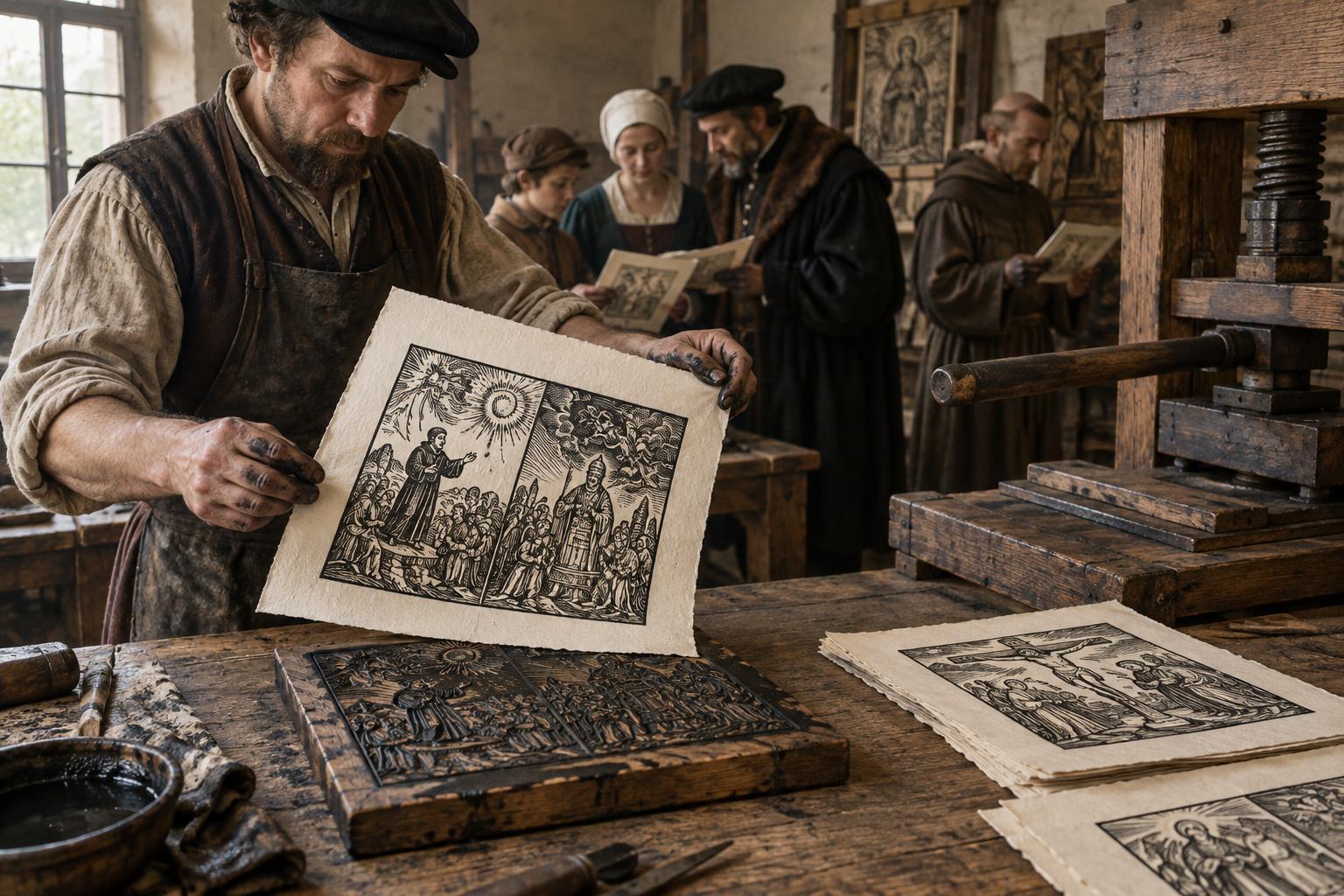
Printmaking HistoryWoodcuts and other printed images helped carry Reformation arguments beyond the pulpit and the printed page. Their subjects, production methods and audiences reveal how visual culture shaped religious debate in sixteenth-century Europe.
Read article · 4 min↗
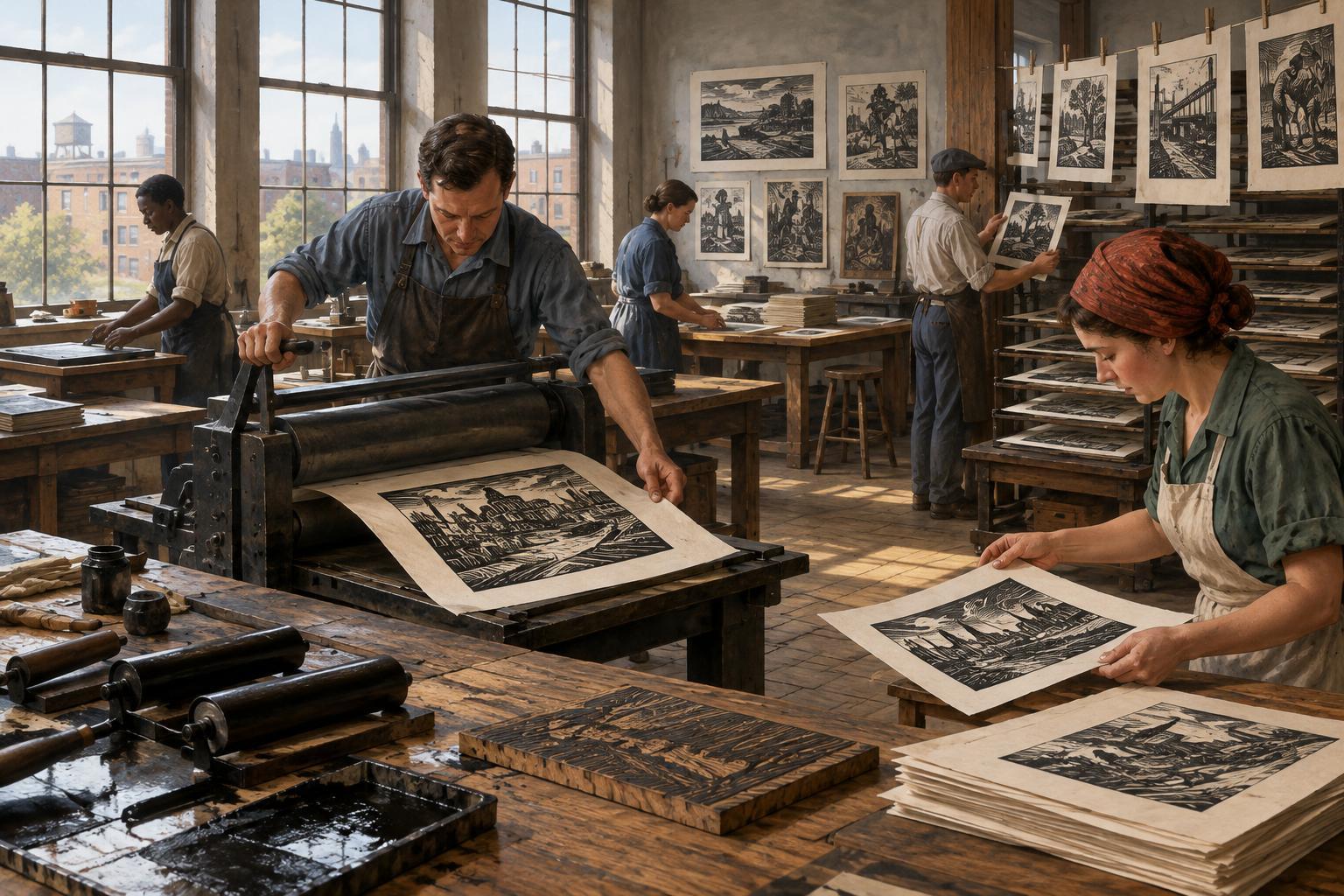
Printmaking HistoryDuring the Great Depression, Federal Art Project print workshops gave artists paid work, shared equipment and ways to bring original prints into public spaces. Their history shows how printmaking could serve both artistic experiment and a wider audience.
Read article · 3 min↗
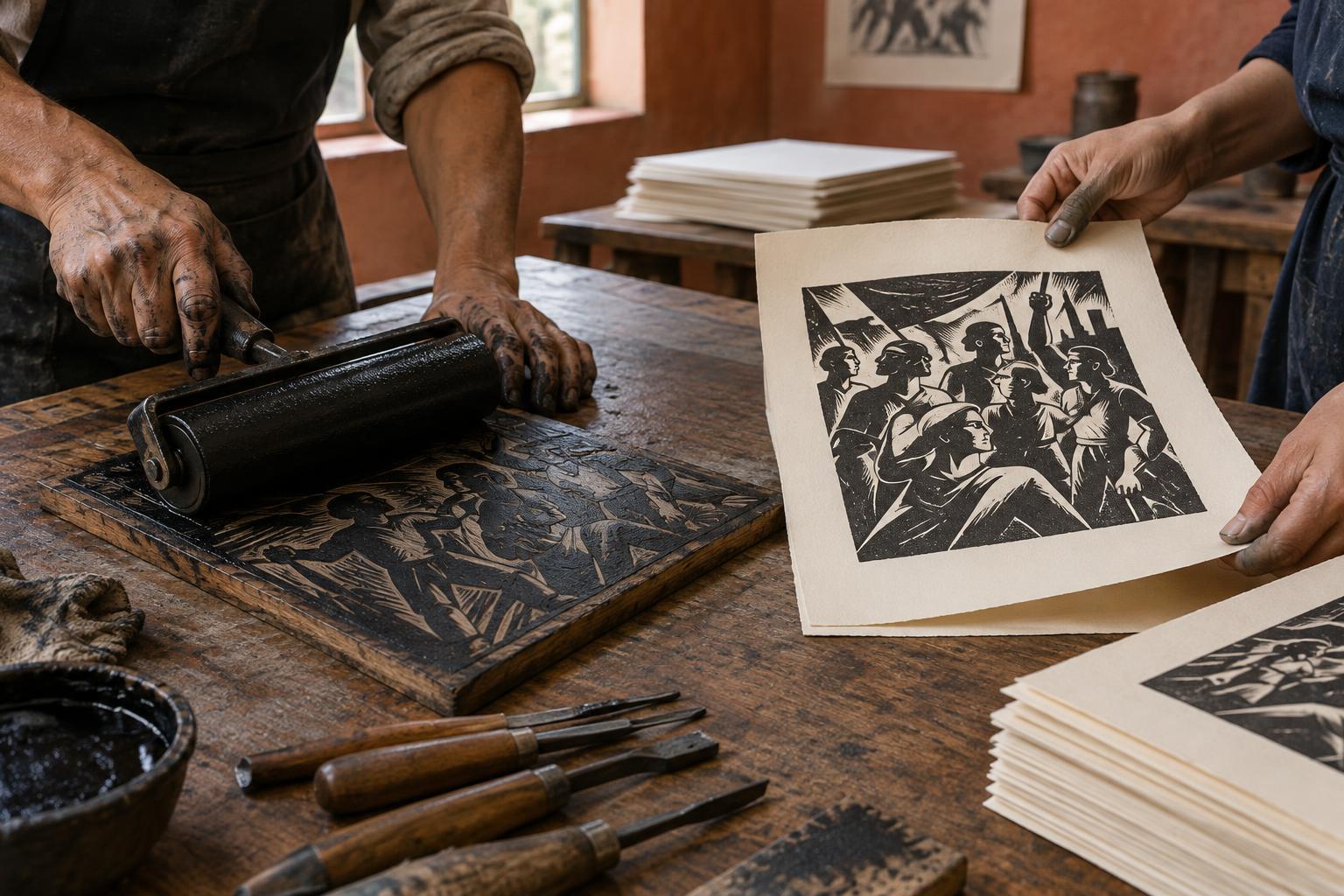
Printmaking HistoryFounded in Mexico City in 1937, the Taller de Gráfica Popular used prints to address labor, land, education and antifascism. Its history shows how artistic choices, collaboration and distribution can shape a print’s public life.
Read article · 4 min↗
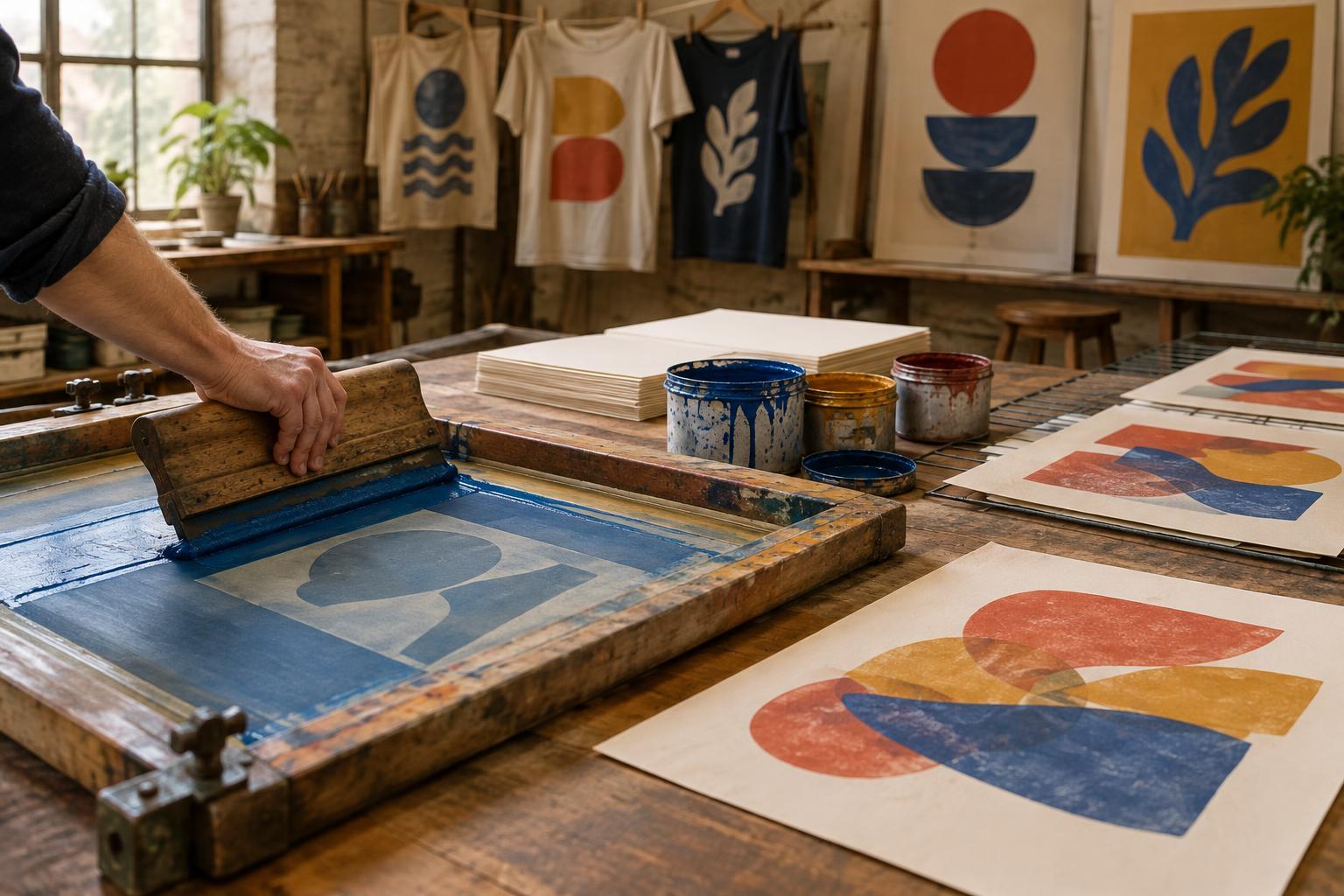
Printmaking HistoryScreenprinting grew from stencil-based methods into a versatile way to make signs, textiles, posters and fine art. Its history reveals how artists turned a practical process for repeating images into a medium for experimentation.
Read article · 4 min↗
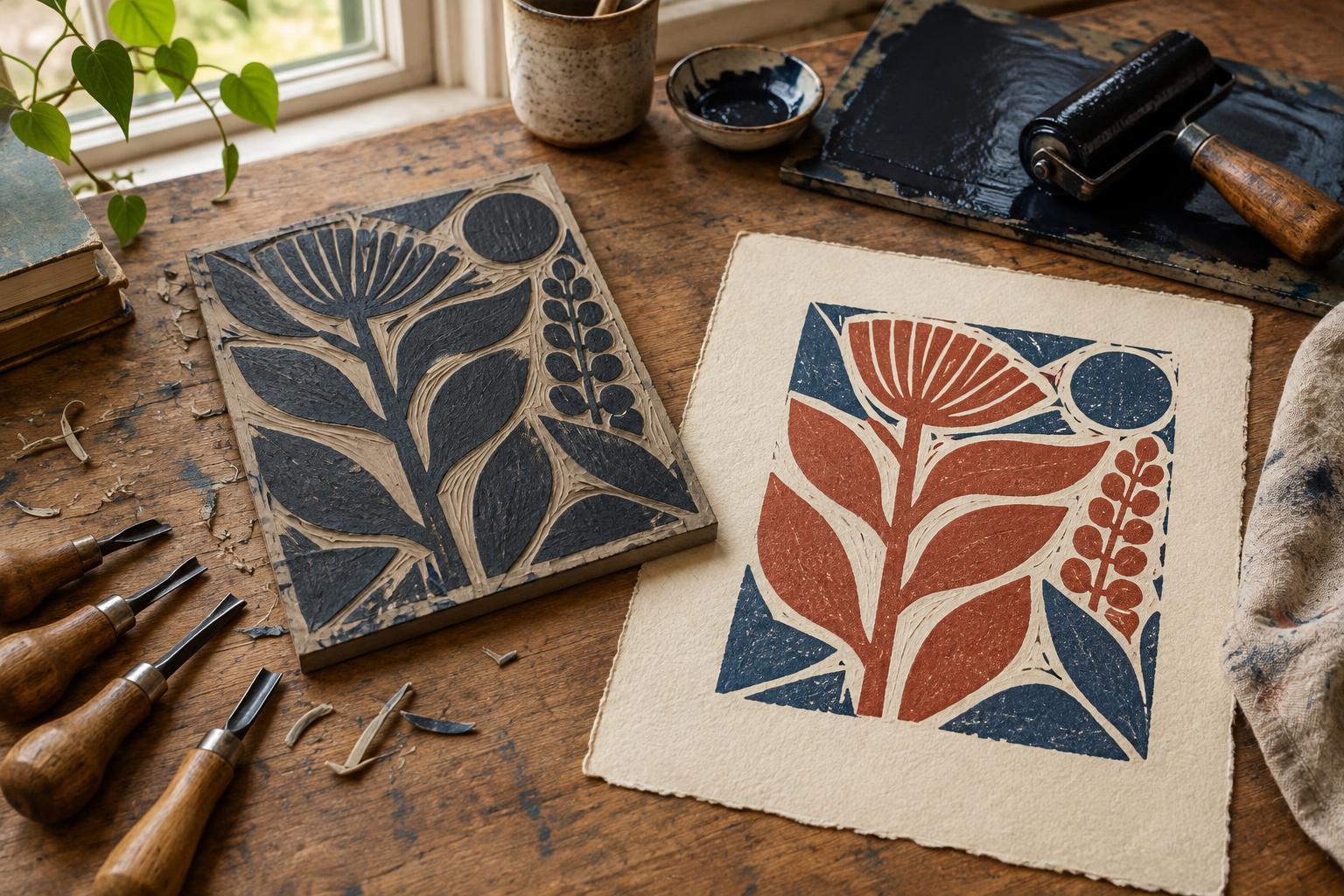
Printmaking HistoryLinocut began with an ordinary manufactured material, but artists discovered that its clean cuts, bold shapes and accessible tools could produce distinctive original prints. Its history shows how a practical surface became a medium for experimentation.
Read article · 4 min↗
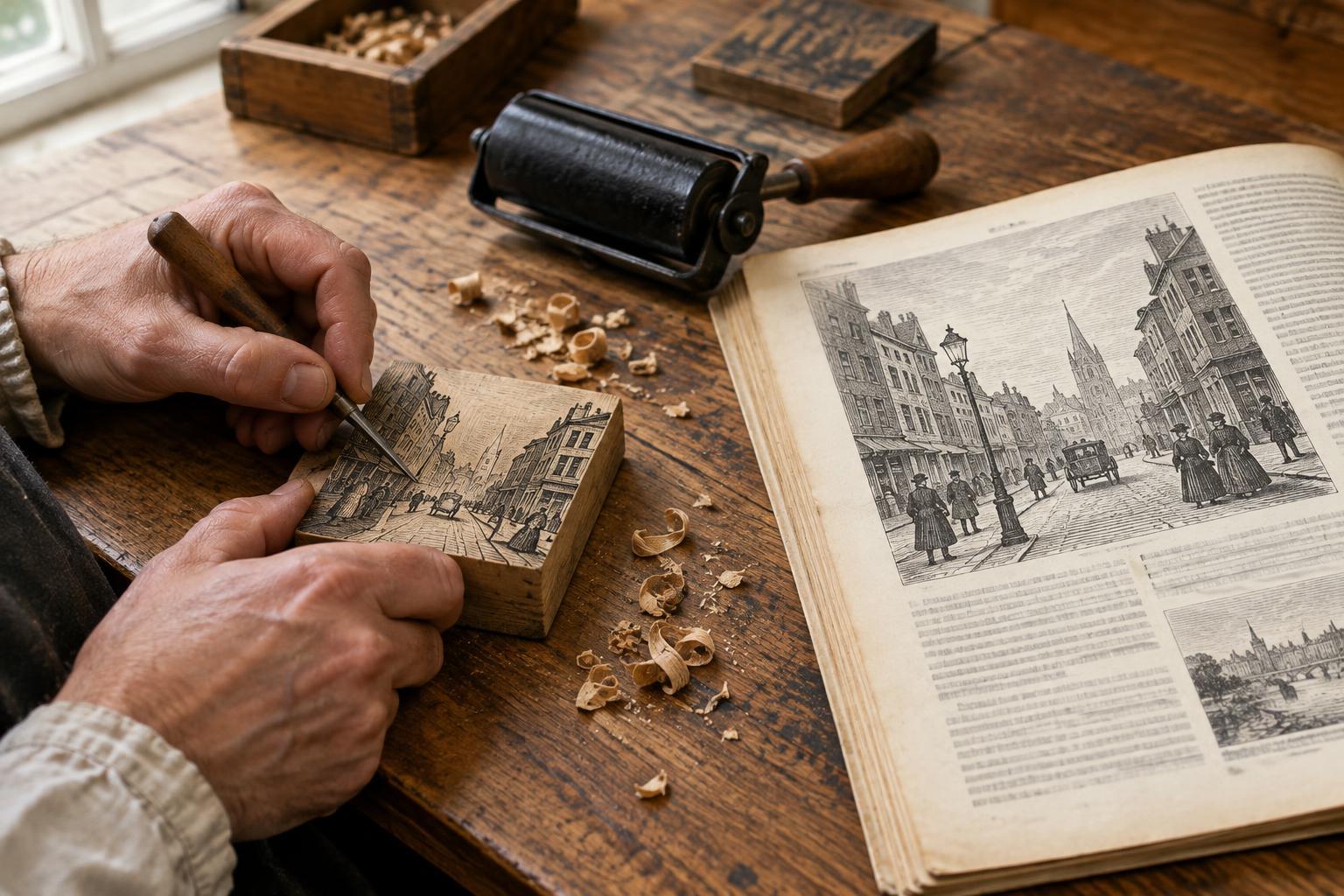
Printmaking HistoryBefore photographs could be reproduced routinely in newspapers and magazines, wood engraving helped put detailed pictures on the printed page. Explore how the technique worked, why publishers valued it, and what its images reveal about the making of nineteenth-century news.
Read article · 4 min↗
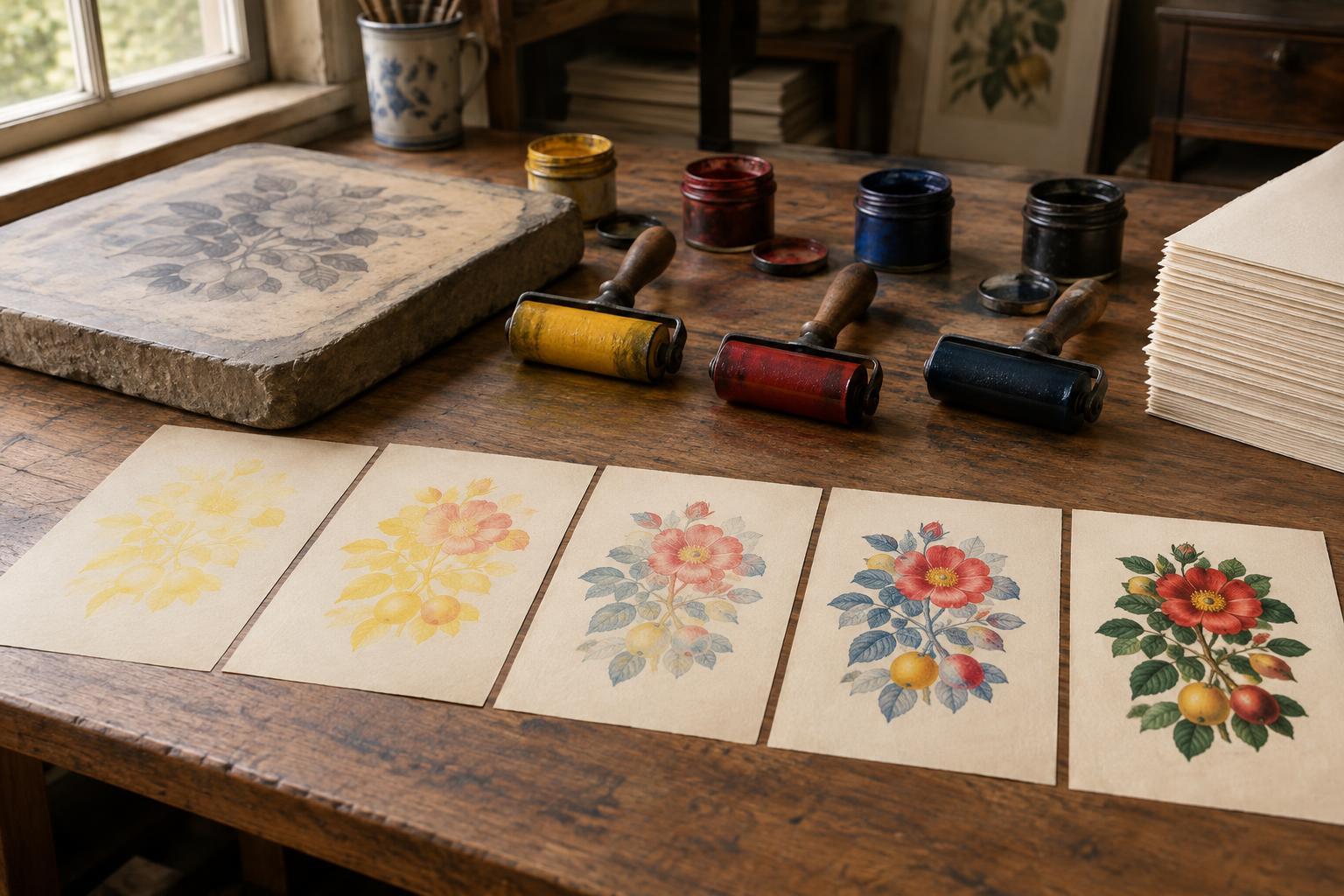
Printmaking HistoryBefore color images became routine, chromolithography helped bring them into everyday life. Learn how printers built pictures one ink at a time, why the process could make color prints more accessible, and what its history reveals about printmaking today.
Read article · 4 min↗
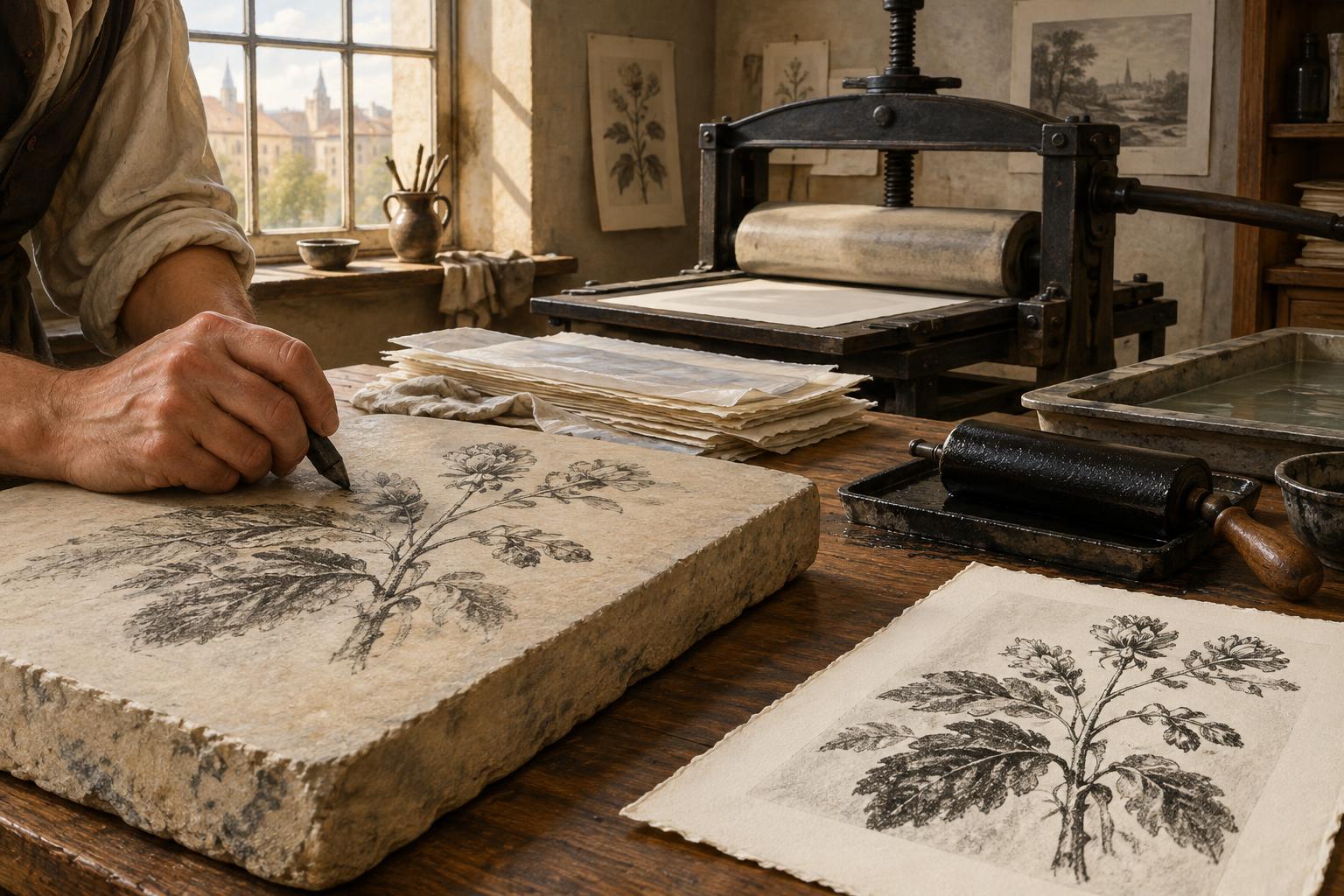
Printmaking HistoryInvented by Alois Senefelder in the 1790s, lithography let artists draw directly on stone rather than cut into a printing surface. Explore how the process works, why it appealed to artists, and how it grew from a reproduction method into a versatile artistic medium.
Read article · 4 min↗
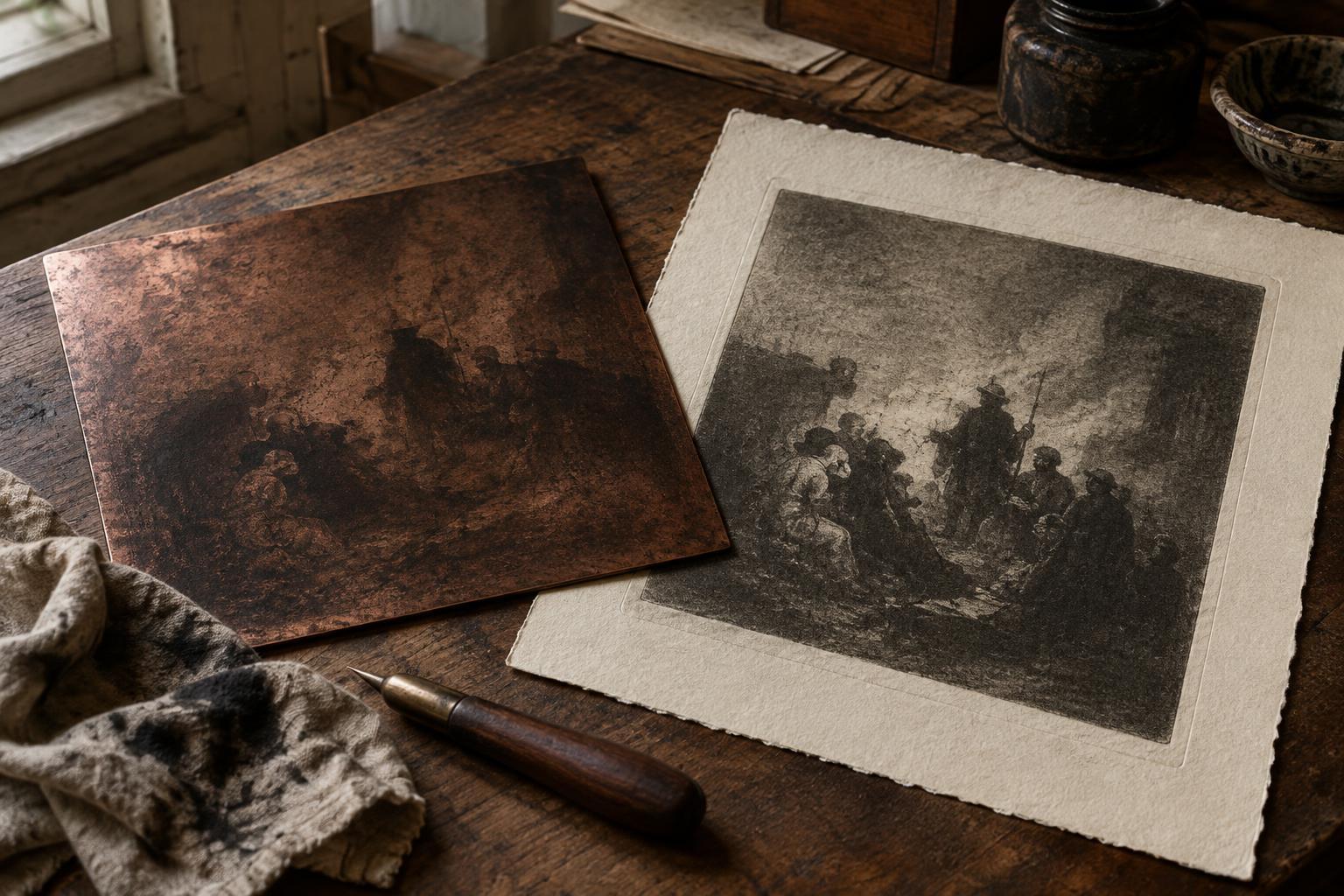
Printmaking HistoryFrancisco Goya used aquatint to give his prints a remarkable range of shadow and light. In series such as Los Caprichos and The Disasters of War, those tonal choices do more than set a mood: they shape how viewers encounter folly, fear and violence.
Read article · 4 min↗
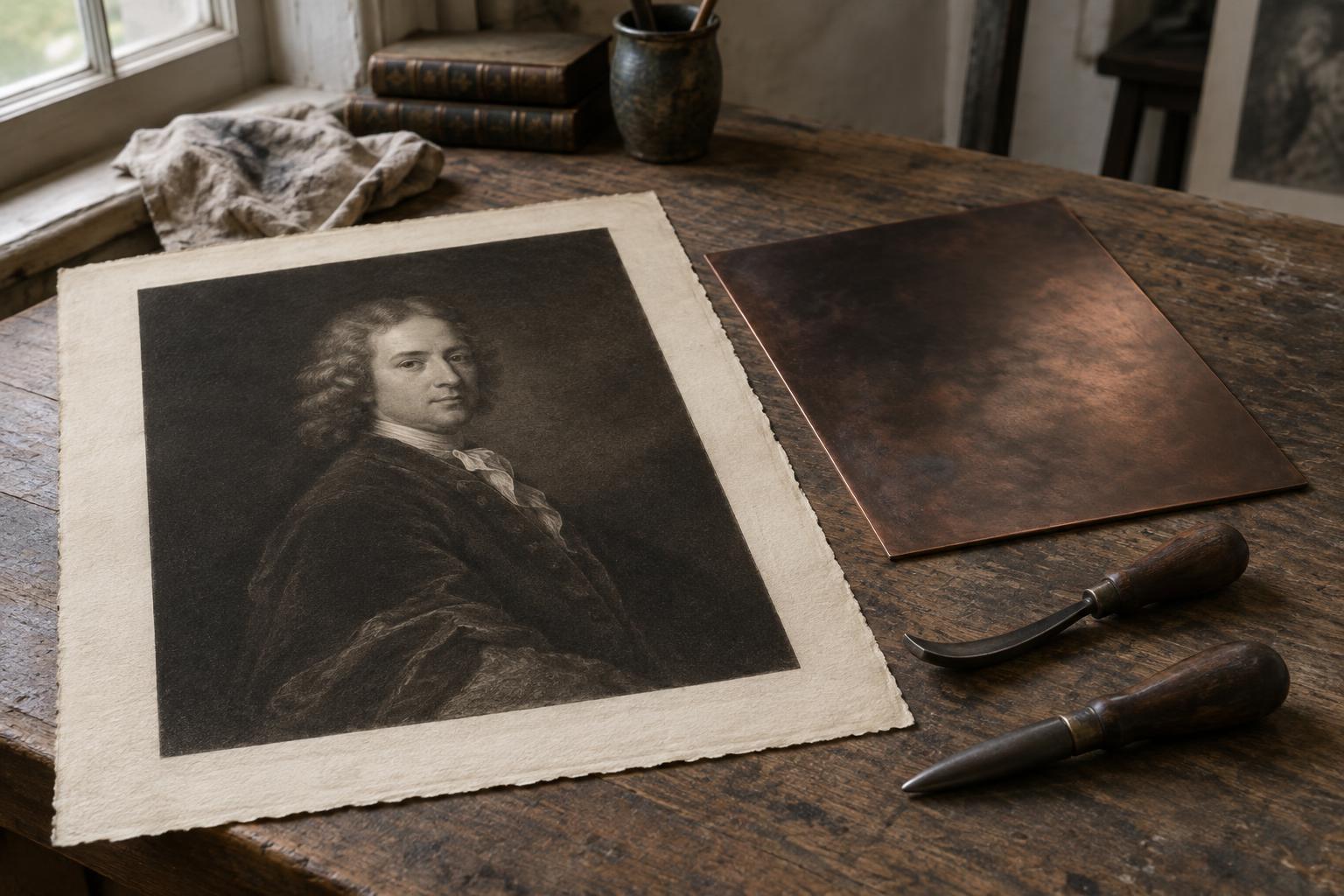
Printmaking HistoryMezzotint’s velvety shadows made it well suited to translating painted portraits into prints. Explore how the technique worked, why portrait publishers embraced it, and what to look for in an impression.
Read article · 4 min↗
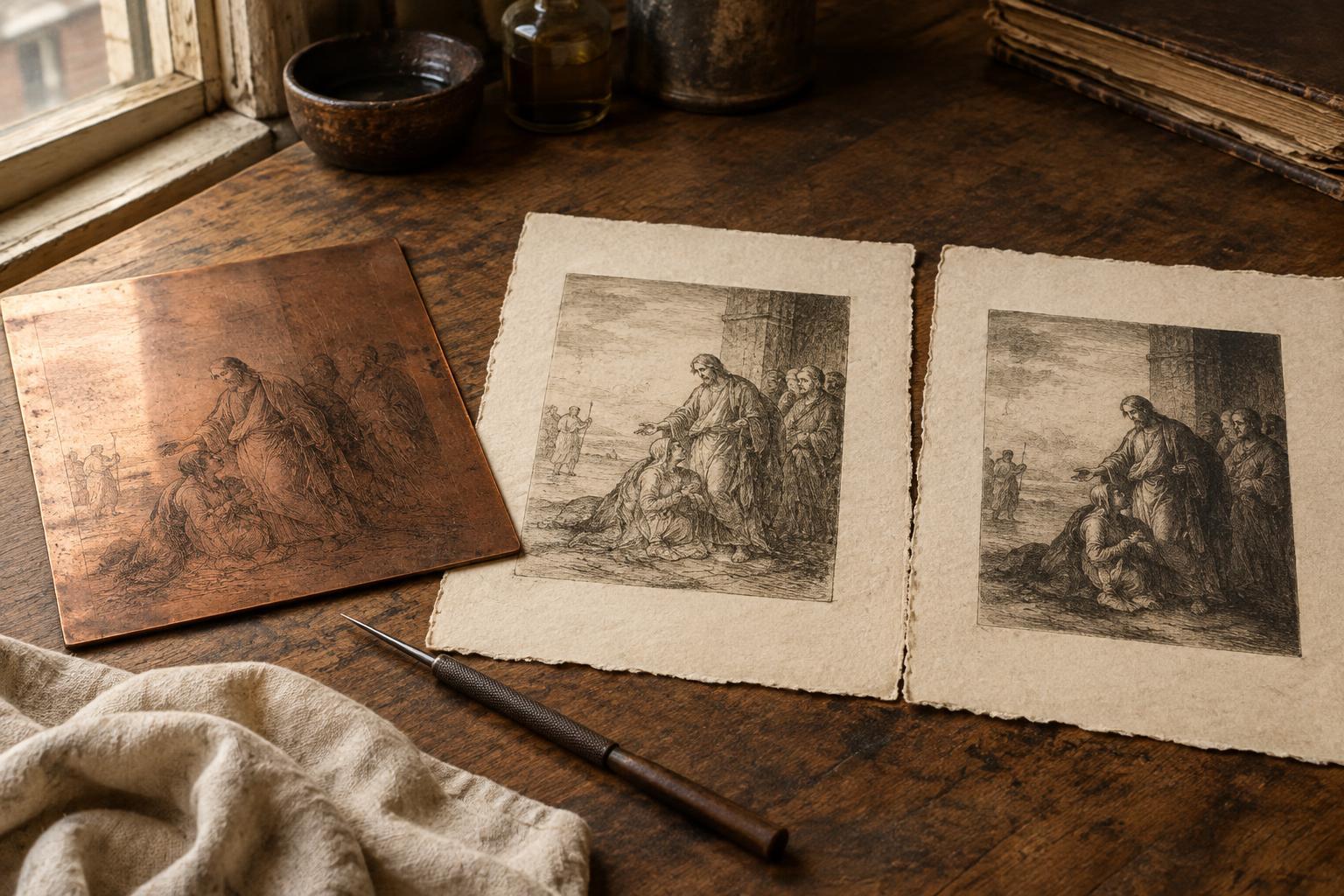
Printmaking HistoryRembrandt did not always treat an etched plate as a finished design. By adding lines, removing figures and changing areas of shadow, he could give later impressions a different emphasis. His prints offer a way to understand the difference between a revised plate and a differently printed impression.
Read article · 4 min↗
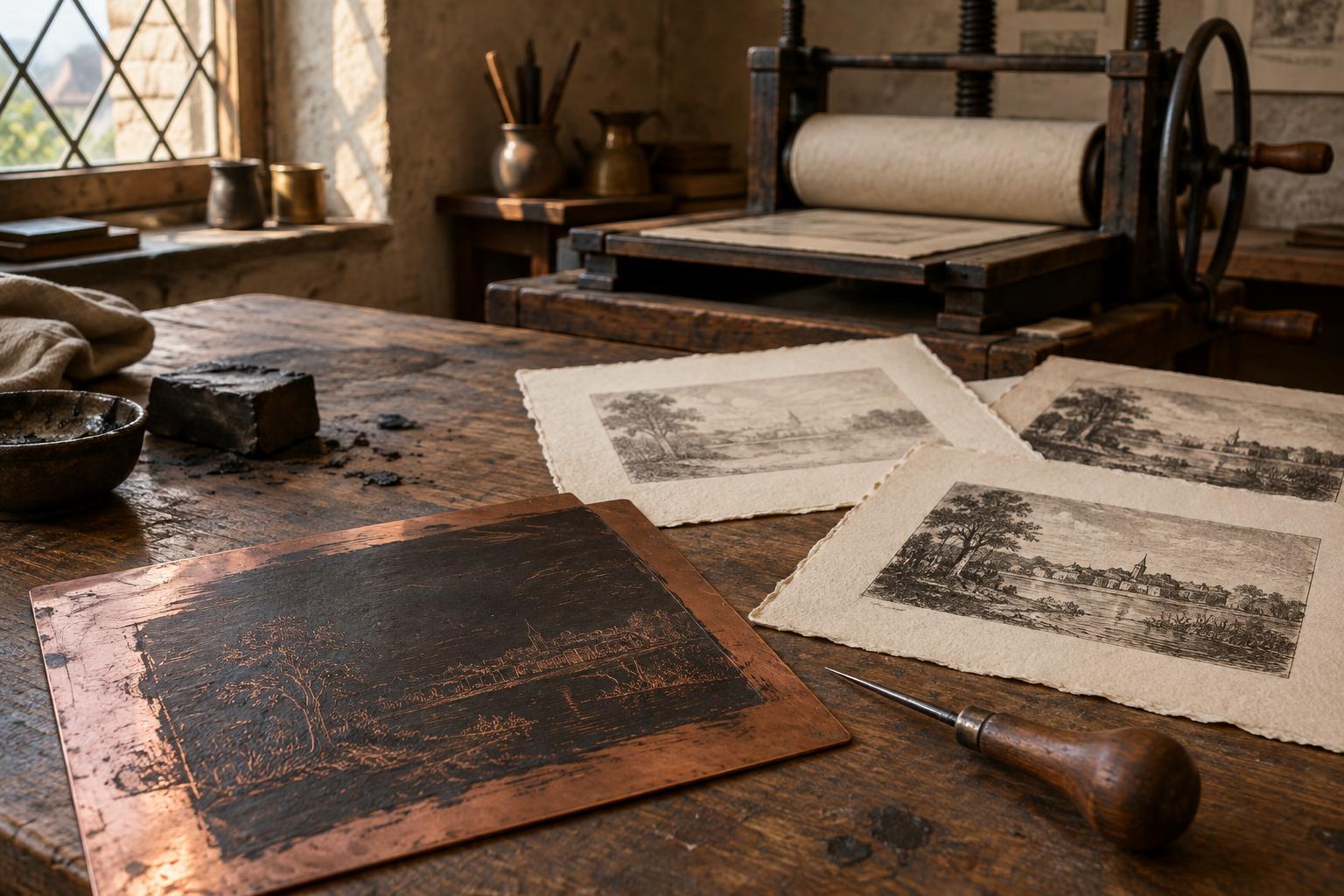
Printmaking HistoryEtching began as a way to mark metal, then became a flexible means of making prints. From early experiments on iron plates to the varied impressions of Rembrandt’s copper plates, its history shows how technique, artistic choices and the circulation of prints shaped a new medium.
Read article · 4 min↗
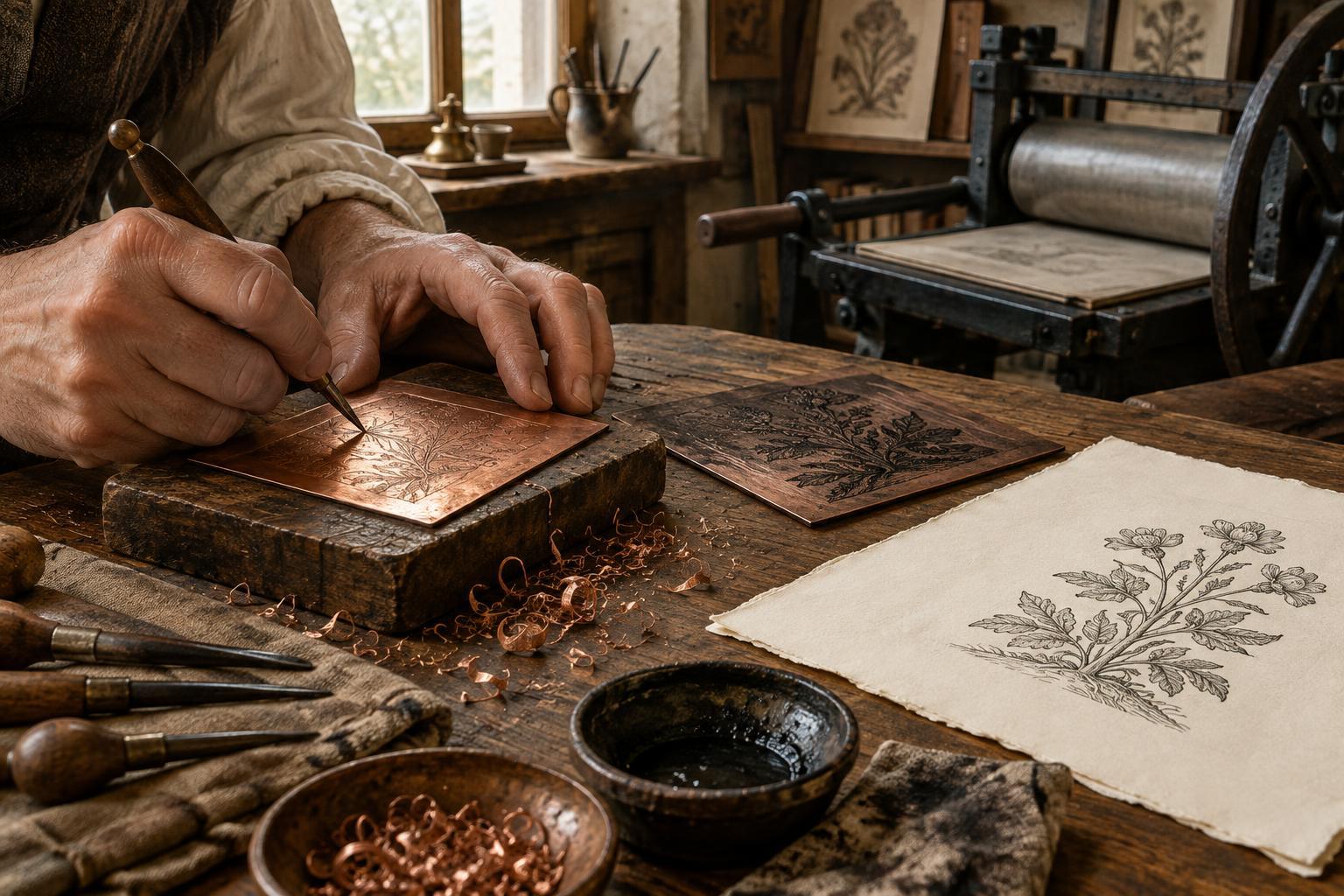
Printmaking HistoryCopperplate engraving grew from skills familiar to metalworkers into a way for artists to make images that could travel. Explore how the burin, the press and the printed sheet shaped its place in Renaissance Europe.
Read article · 4 min↗
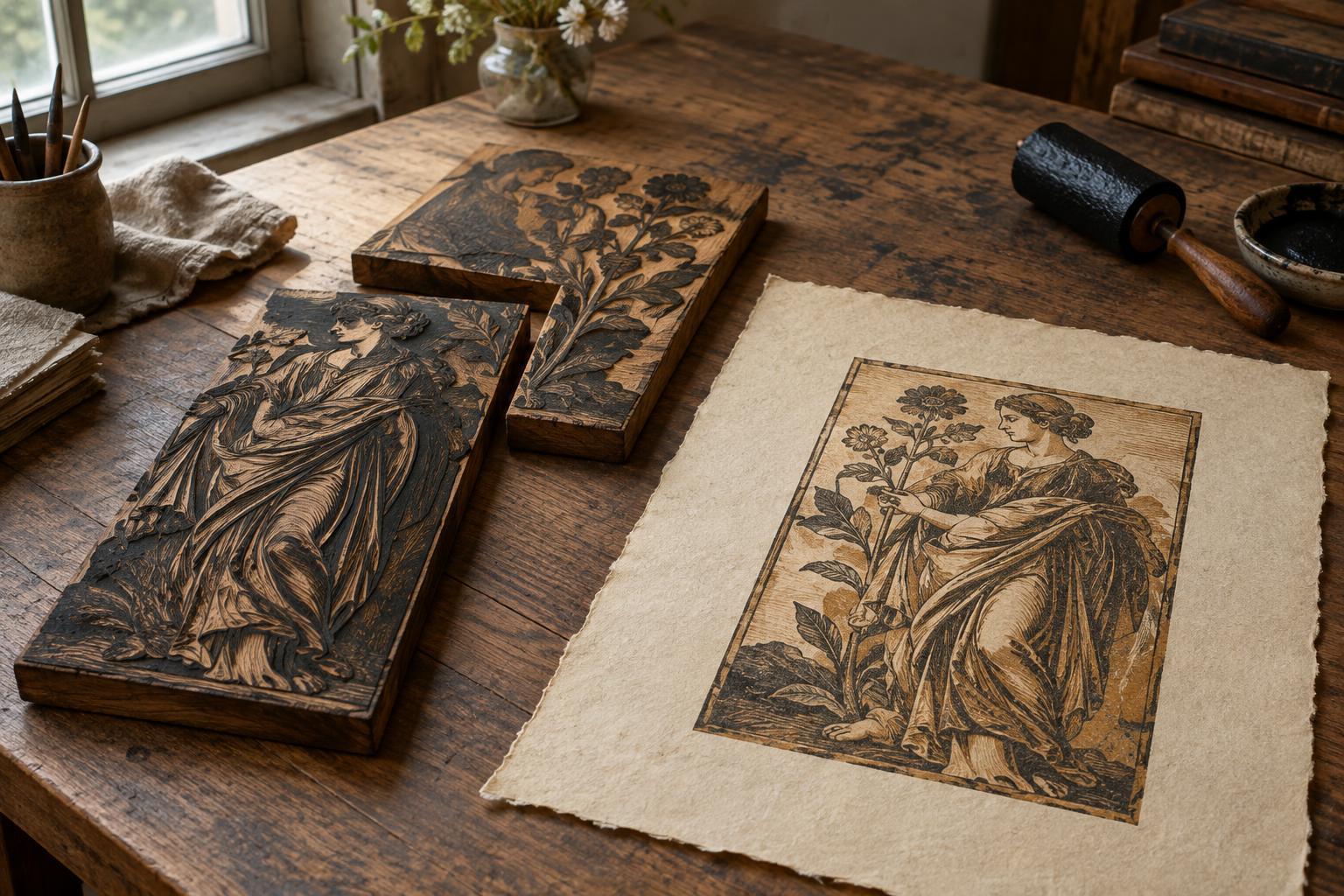
Printmaking HistoryA chiaroscuro woodcut builds an image from separate blocks printed in different tones. Learn how Renaissance printmakers used the method, why the blocks had to align, and how to recognize the choices behind a finished impression.
Read article · 4 min↗
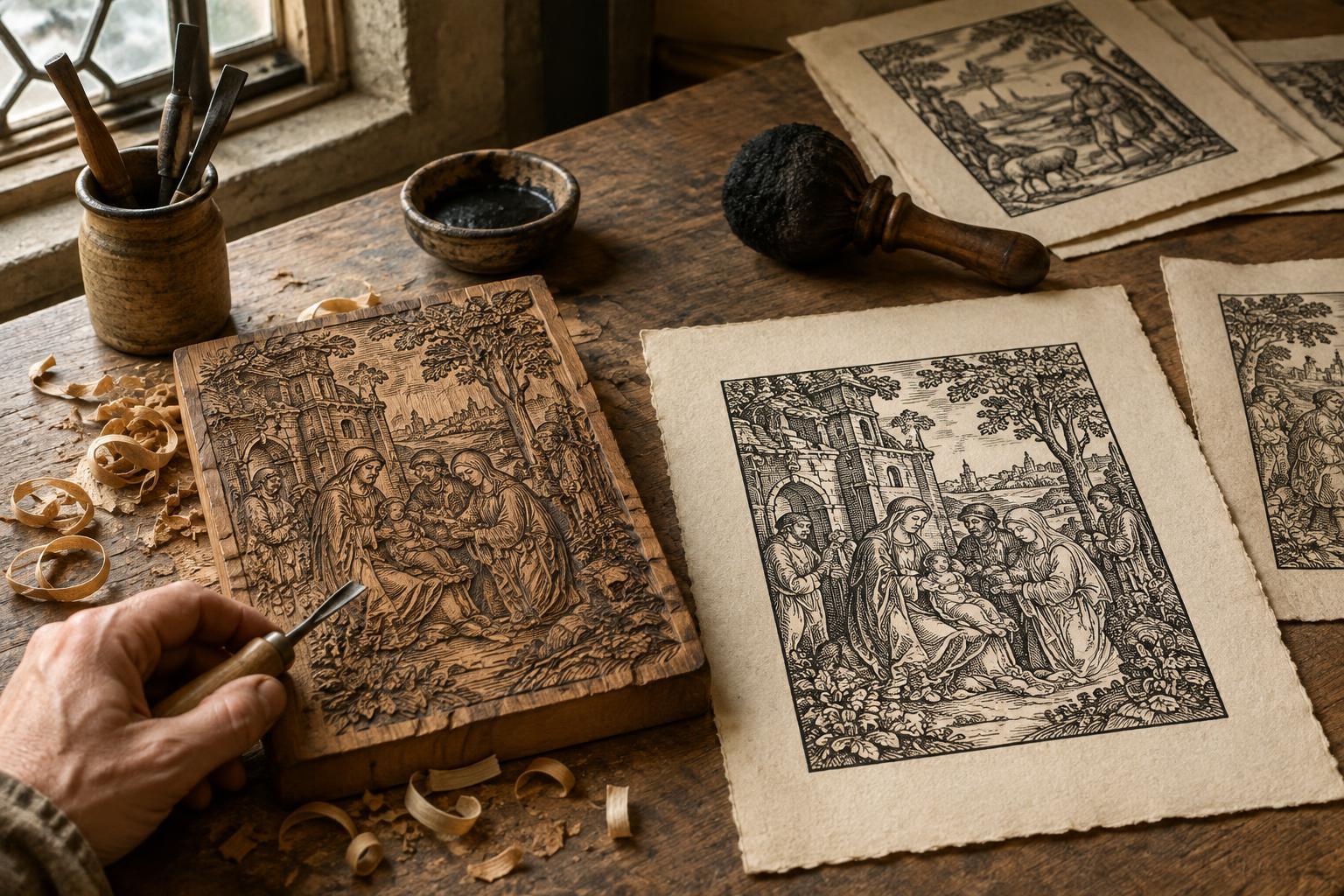
Printmaking HistoryAlbrecht Dürer did not invent the woodcut, but he helped show what it could do as an ambitious artistic medium. Explore how his designs, skilled block cutting and carefully planned print series changed the way viewers encountered images.
Read article · 4 min↗
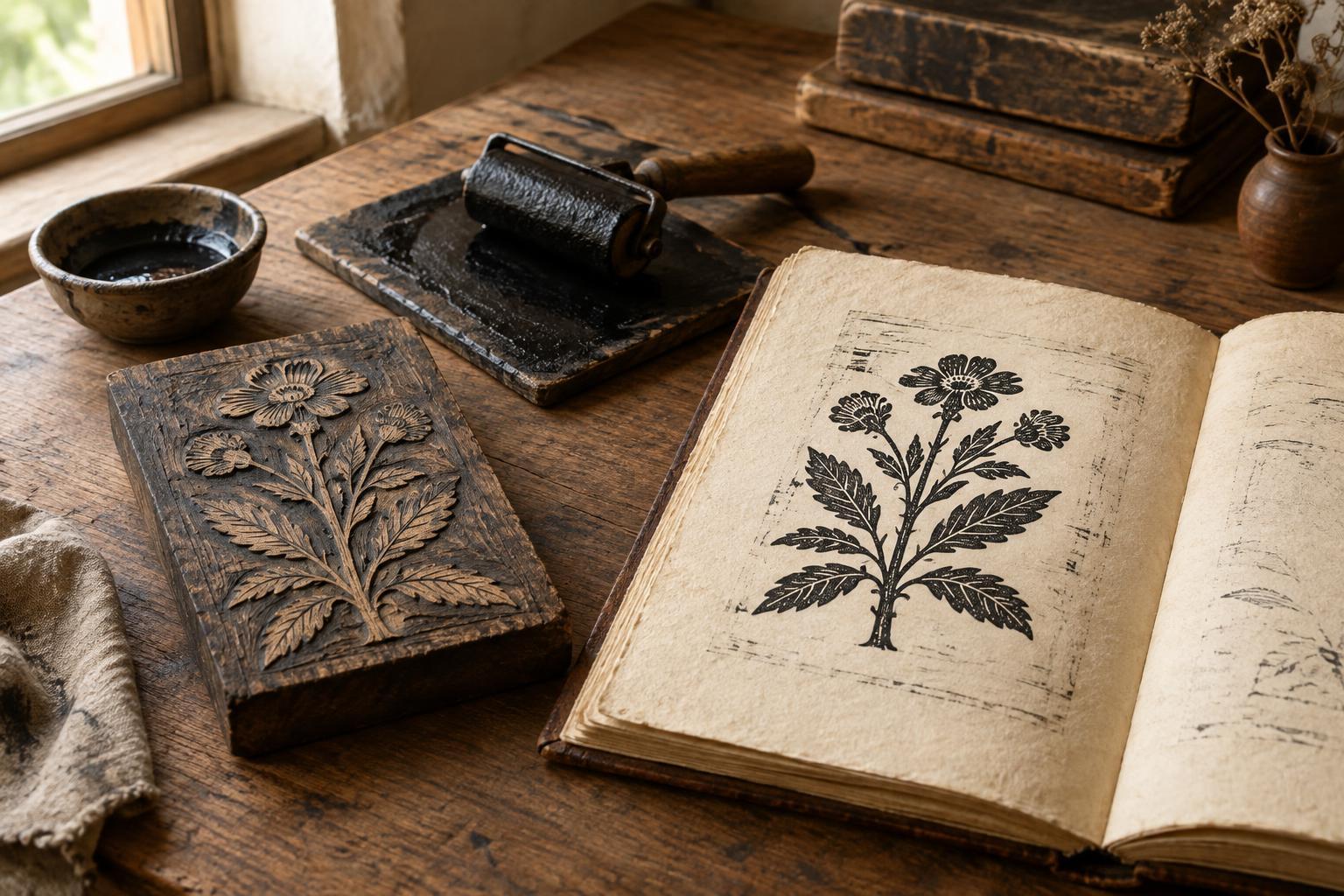
Printmaking HistoryWoodcuts brought pictures onto the same printed page as movable type. Explore how early European bookmakers made, printed and reused these images—and what their surviving pages can tell us about readers and workshops.
Read article · 4 min↗
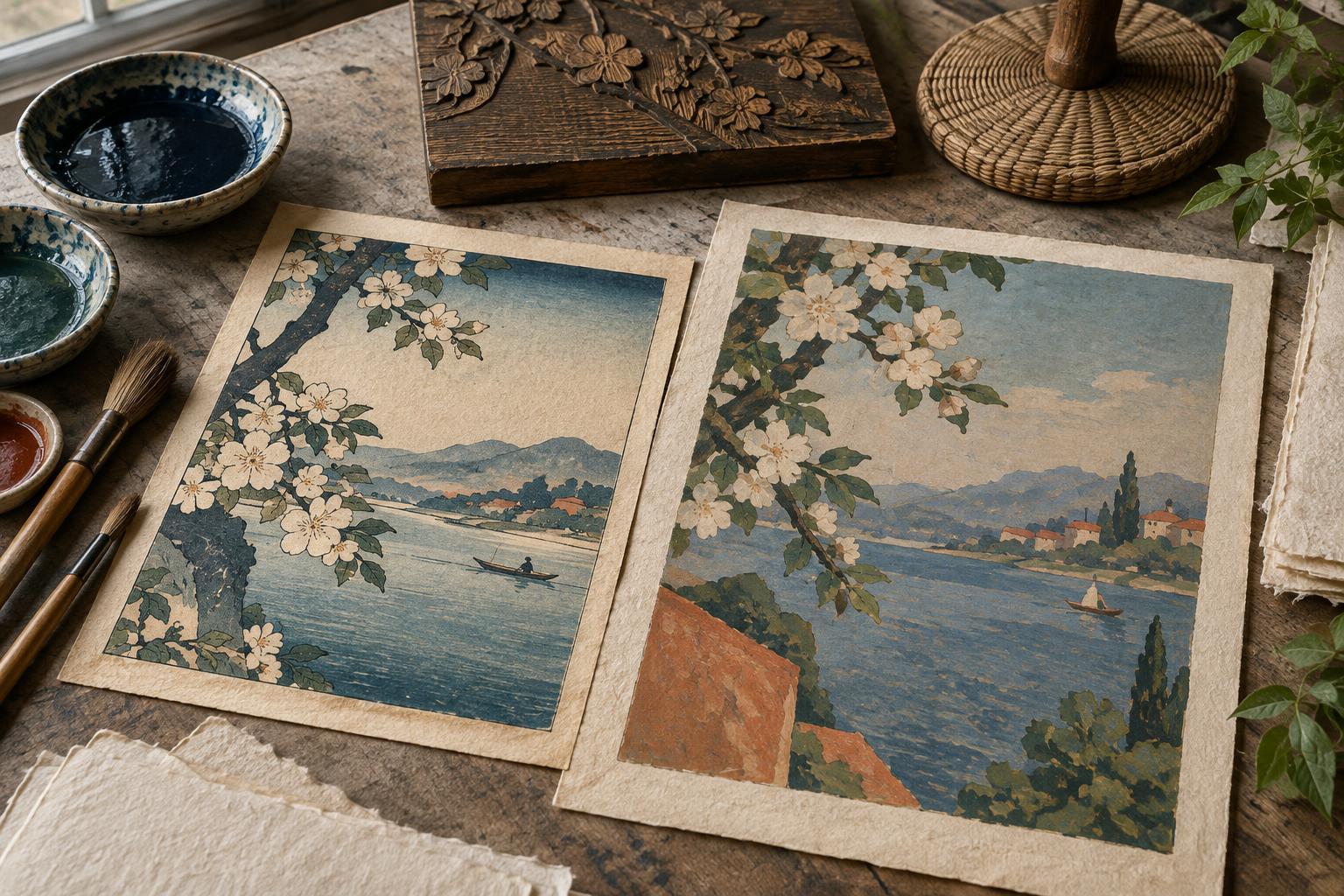
Printmaking HistoryJapanese woodblock prints offered European artists new ways to think about cropping, color, pattern and everyday subjects. Explore the exchanges behind Japonisme, its effect on printmaking, and the limits of calling it a single style.
Read article · 4 min↗
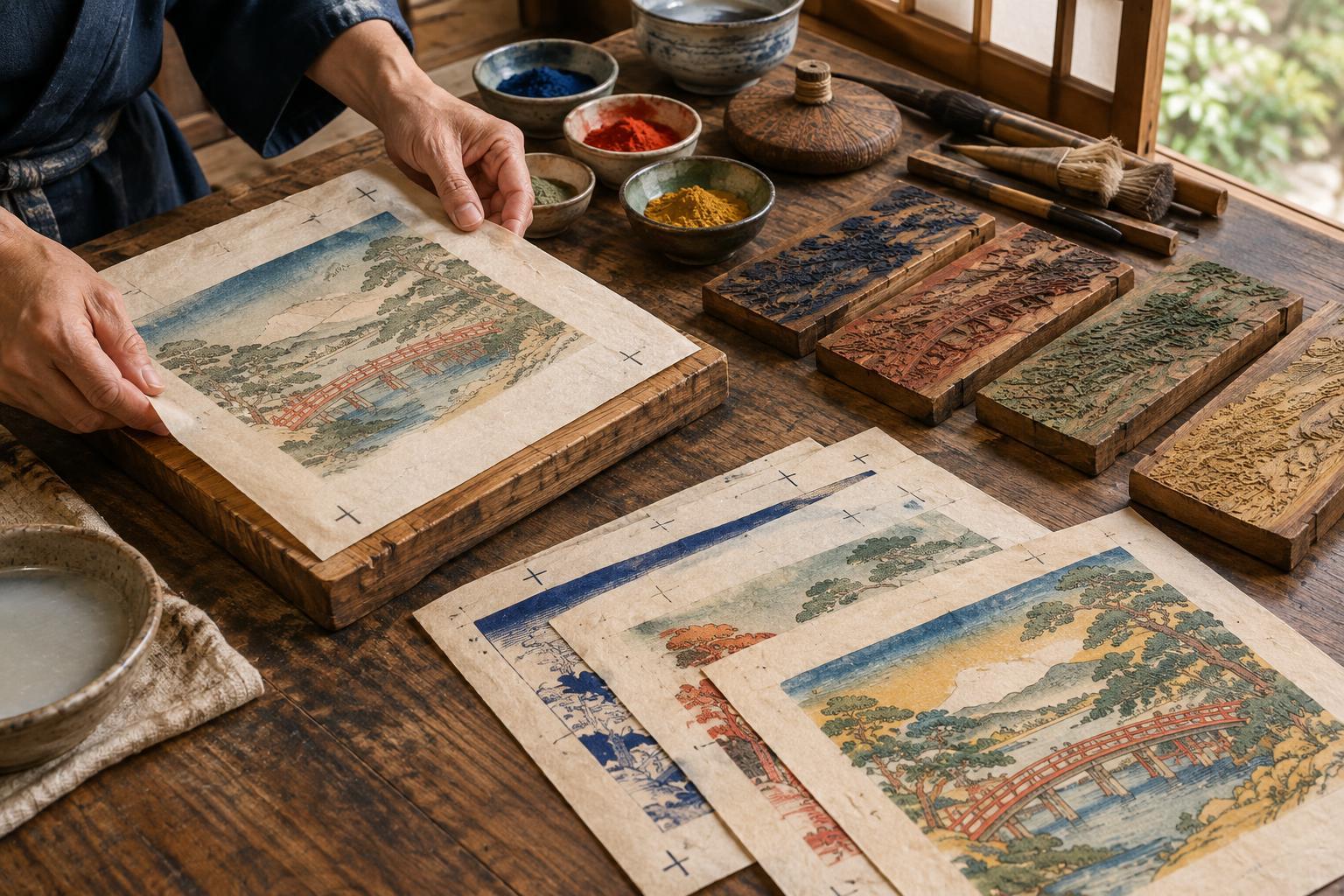
Printmaking HistoryNishiki-e brought richly layered color to Japanese woodblock printing. Learn how registration, collaborative production and new visual possibilities changed the prints of the Edo period.
Read article · 3 min↗
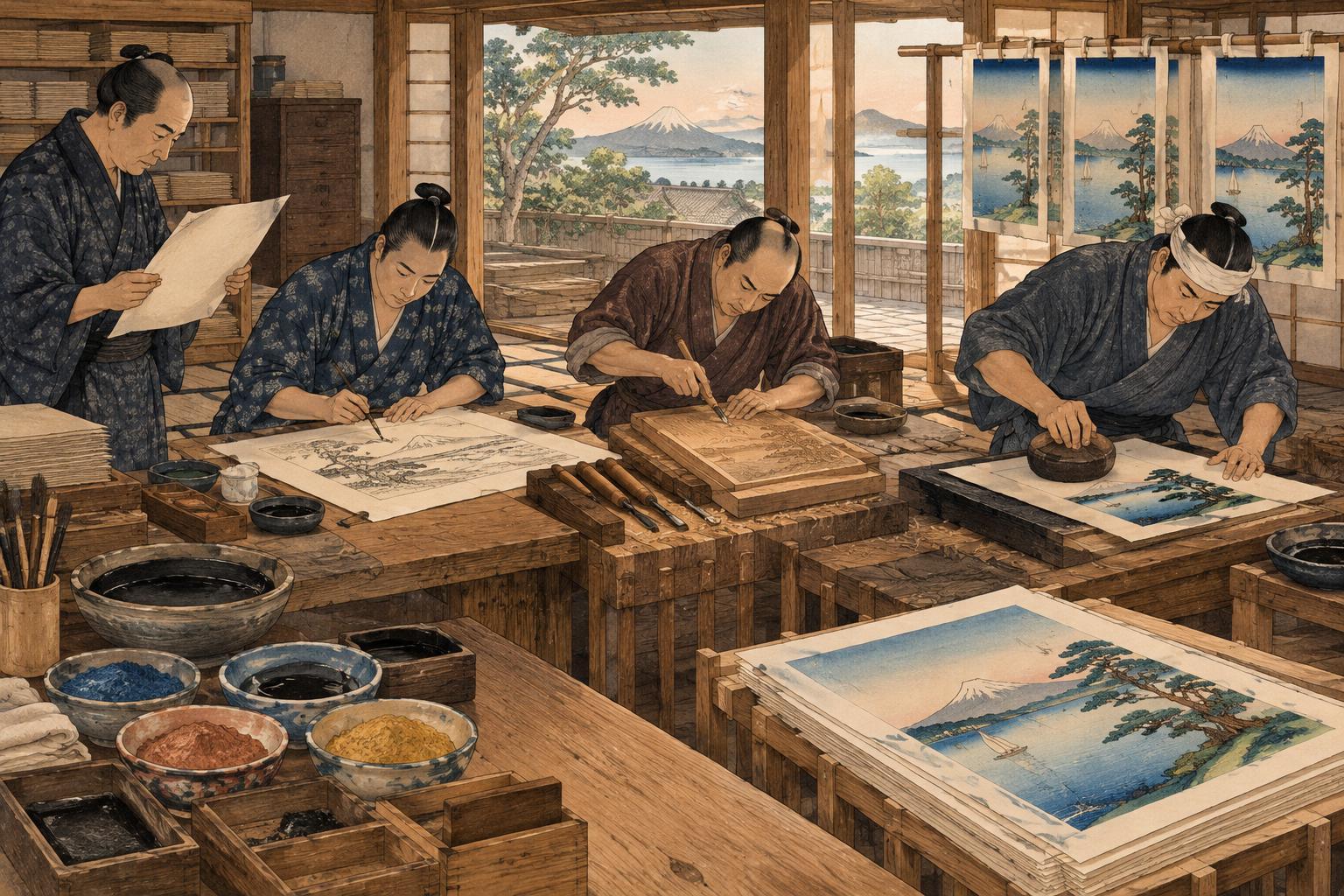
Printmaking HistoryAn ukiyo-e print was often the work of several specialists. Follow a design from the publisher’s plan to the artist’s drawing, the carver’s blocks and the printer’s finished sheets.
Read article · 4 min↗
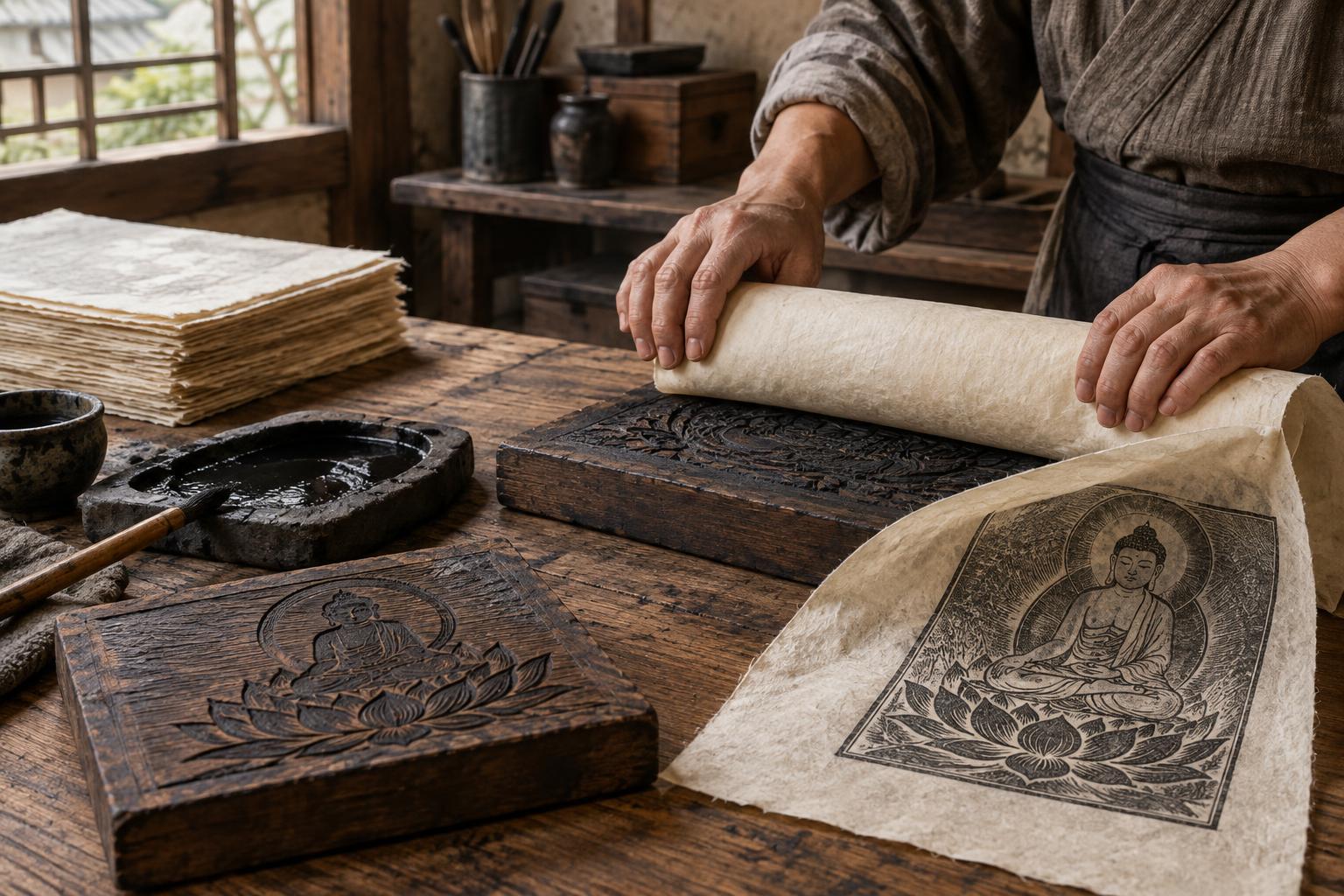
Printmaking HistoryEarly Chinese woodblock printing helped reproduce Buddhist texts and images, bringing carving, ink, paper, and devotional practice together. Learn how the process worked, what surviving prints reveal, and what remains uncertain about its beginnings.
Read article · 4 min↗