A public program for working artists
In the 1930s, many American artists struggled to earn a living during the Great Depression. The Works Progress Administration, later renamed the Work Projects Administration, employed people on public projects. Its Federal Art Project offered eligible artists paid work, including opportunities in printmaking. Although the program continued beyond the decade, the economic pressures of the 1930s shaped its purpose.
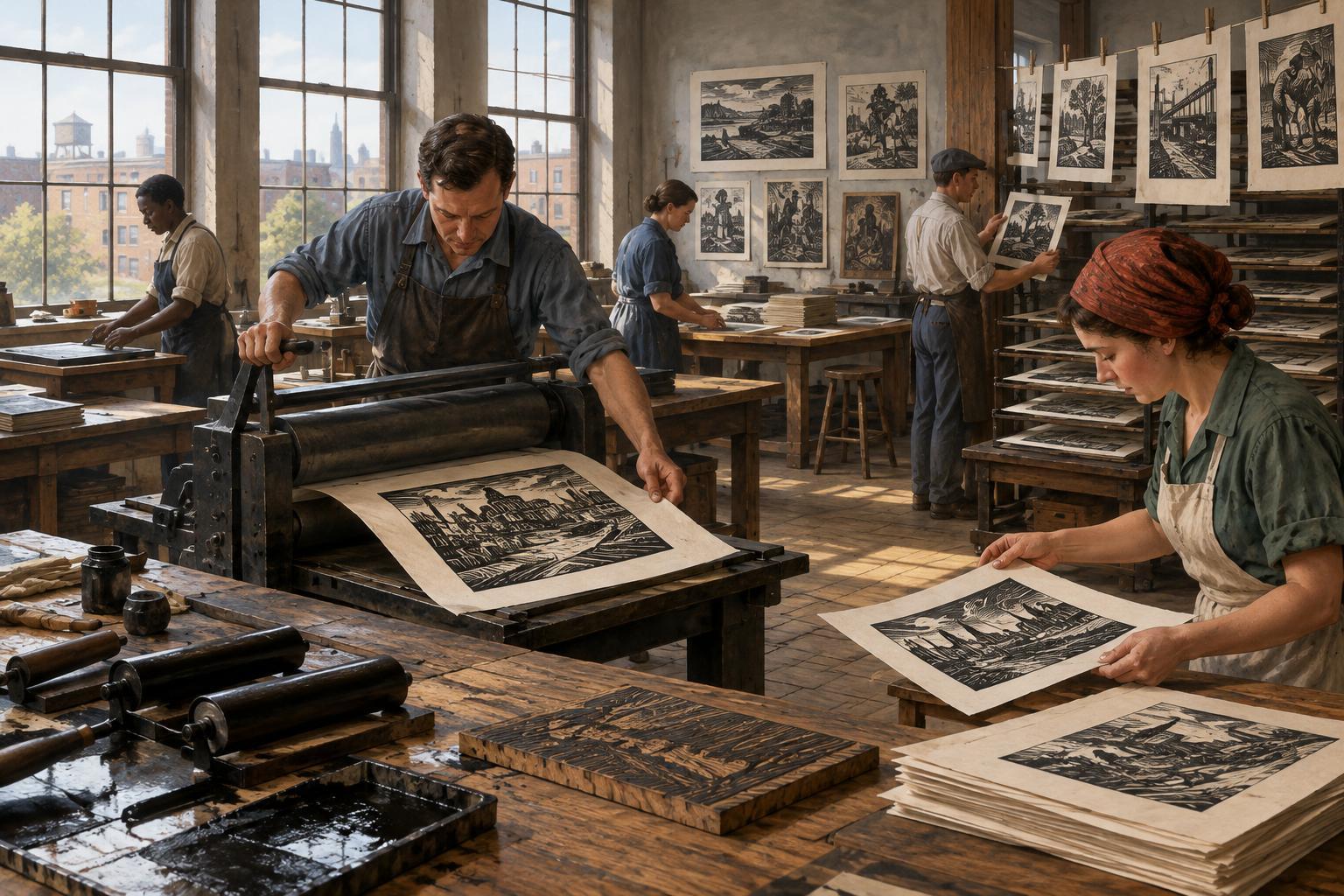
Print workshops were one part of a much larger effort that also encompassed murals, paintings, sculpture and art education. Their aim was not simply to help individual artists sell work. They created conditions in which artists could make art as public work, often with access to presses, materials and colleagues. Workshops differed by location, so there was no single WPA printmaking style or uniform studio experience.
Why prints suited the project
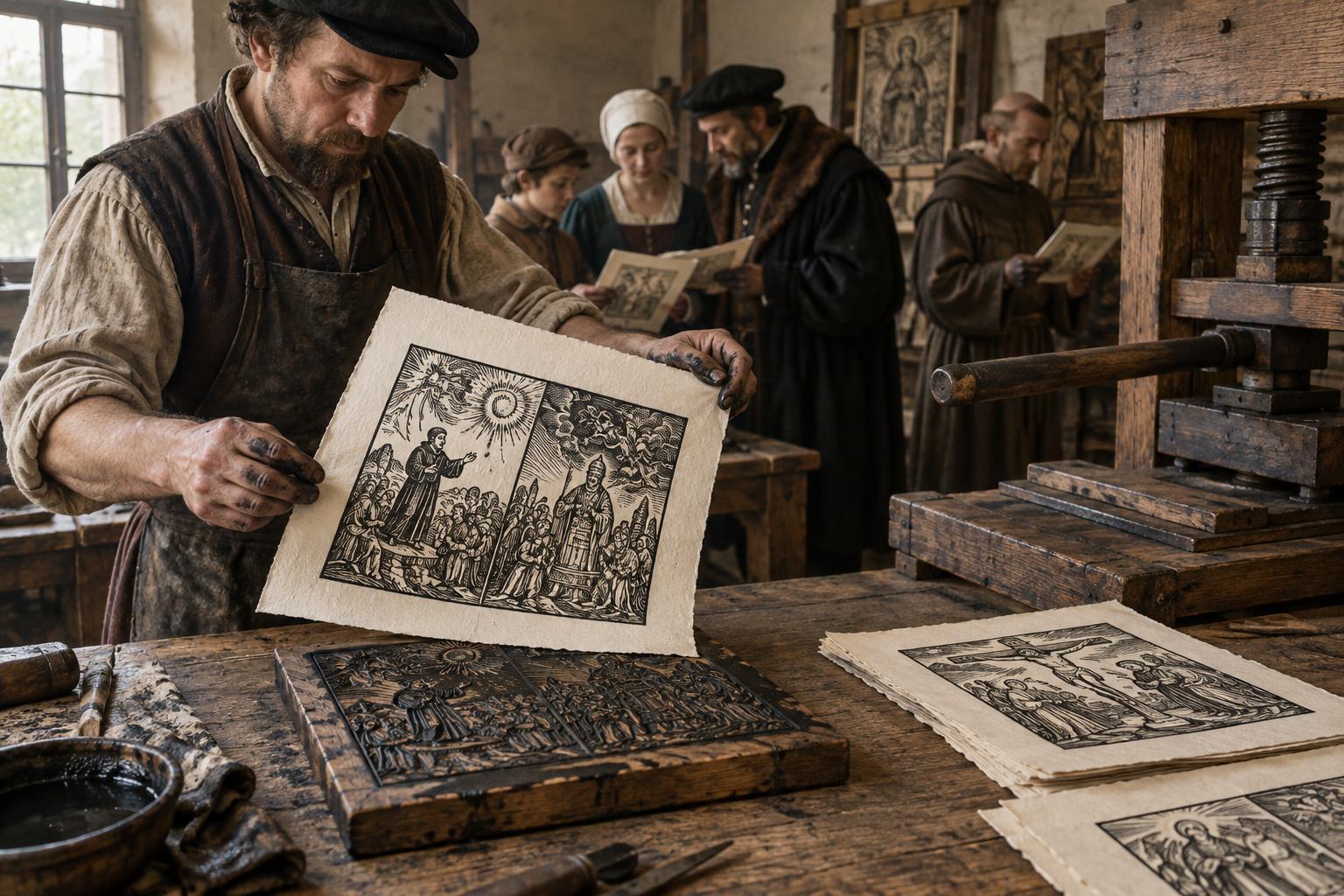
A print begins with a prepared surface—a carved block, an etched plate or another matrix—from which an impression is made on paper. That process allows an artist to produce multiple original impressions rather than one unique painting. It made printmaking well suited to a program interested in bringing art beyond private collections. Prints could be placed in public institutions and seen by people who might not otherwise encounter original artwork.
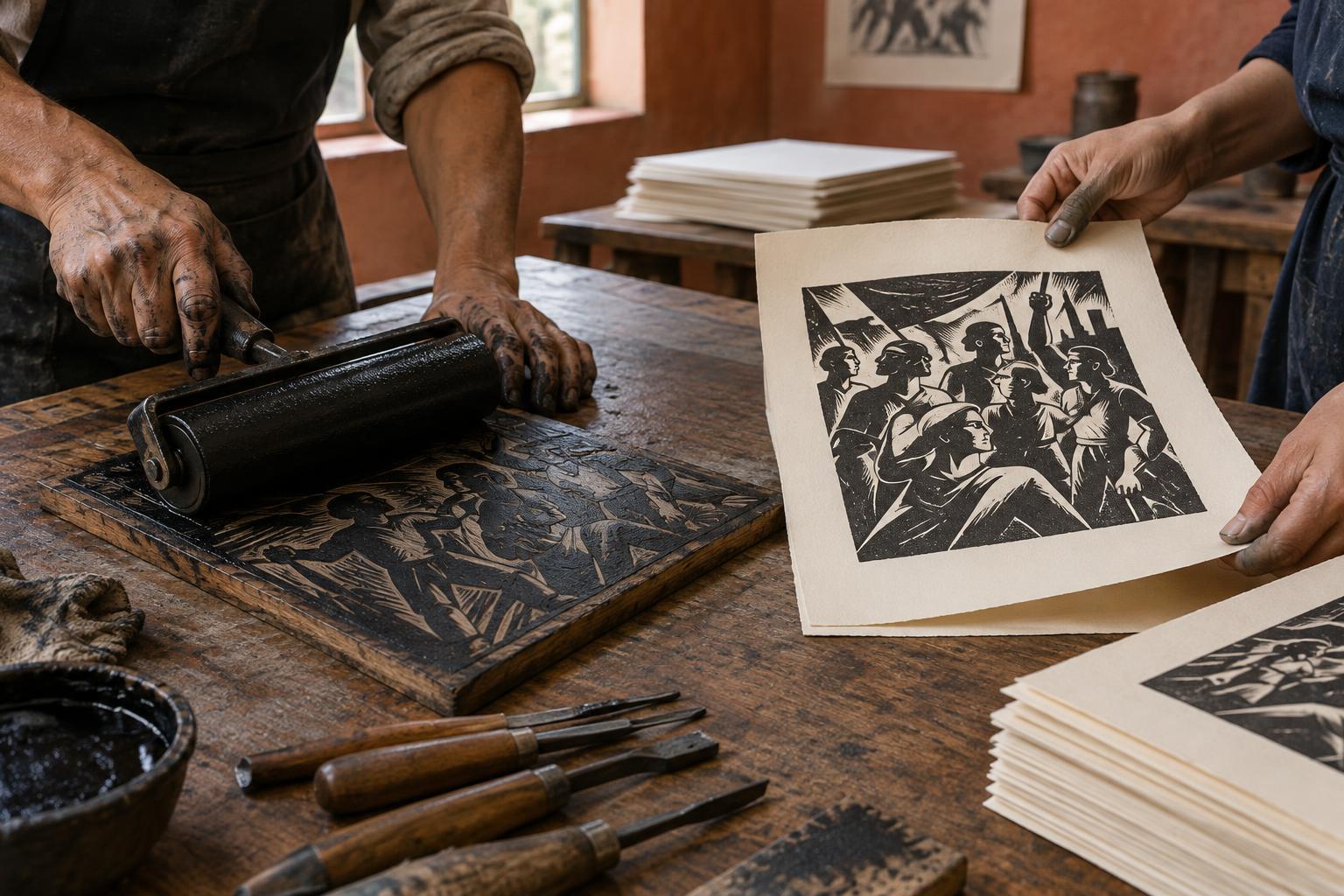
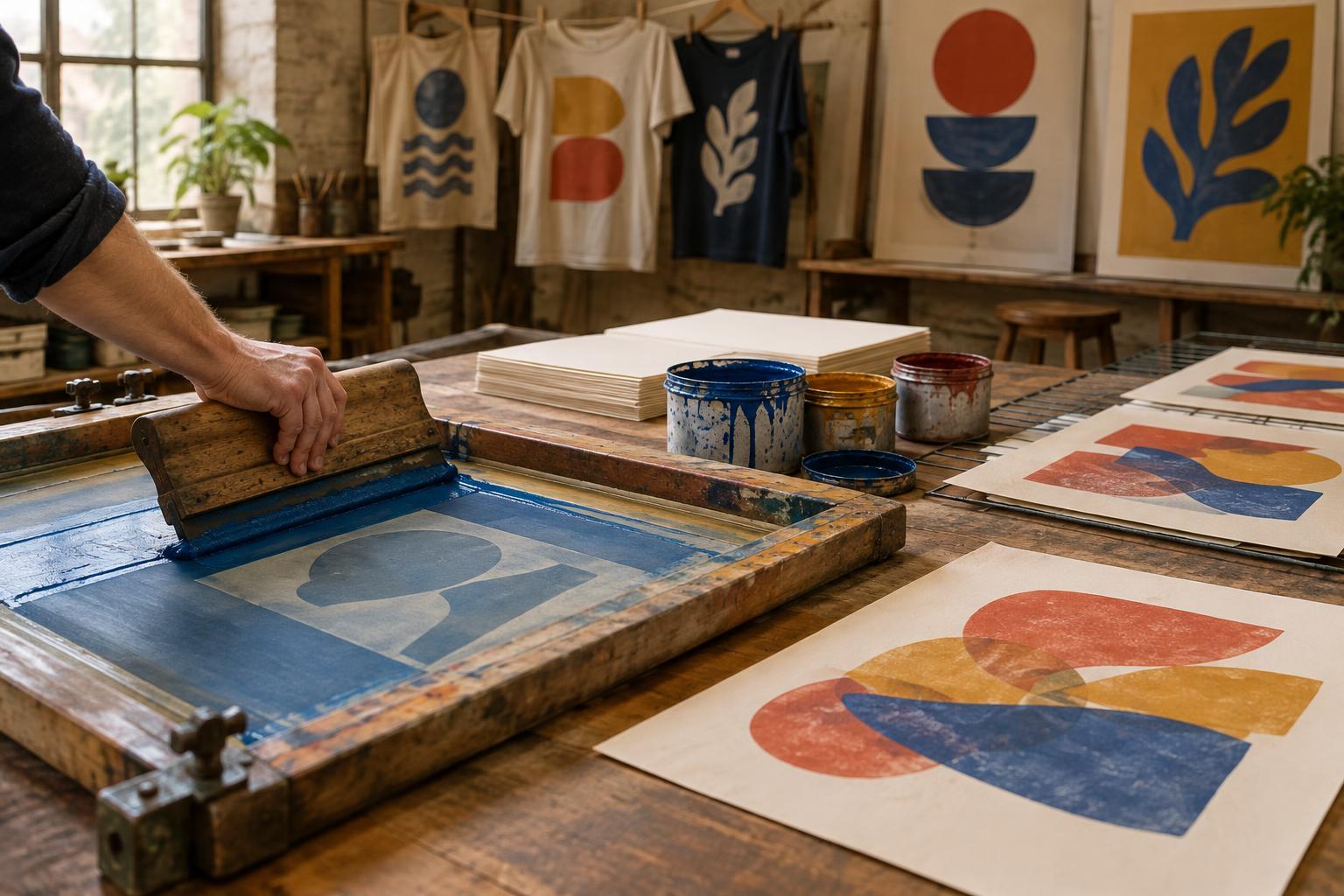
Workshop artists used methods including lithography, etching, woodcut and screen printing. Each offered different possibilities. A woodcut could give a scene strong contrasts and visible carved marks; lithography allowed a freer, drawn line. These qualities helped artists depict streets, workplaces, homes and leisure with distinct points of view. The subject matter was broad: not every WPA print was a documentary image of hardship, even though economic life was a pressing concern.
Artists, subjects and unequal opportunities
The Federal Art Project brought together artists with different backgrounds and ambitions. Elizabeth Olds, for example, made prints attentive to labor and social conditions. Dox Thrash worked within the Philadelphia WPA print workshop and explored the expressive possibilities of print processes. Looking closely at their work is more revealing than treating either artist as a representative of every workshop: individual choices of line, tone and subject remained central even within a public program.
The workshops also reflected the inequalities of the society around them. Opportunities and recognition were not distributed evenly, and artists encountered barriers shaped by race, gender and local conditions. Public sponsorship did not erase those constraints. Keeping them in view makes the history more useful: the story is both about artists finding resources to work and about who could gain access to those resources.
How to look at a WPA-era print
Start with the image, then look for evidence of how it was made. Are the darkest areas broad and flat, or built from fine marks? Does the line look carved, drawn or scratched? Notice where the artist places workers, buildings or open space, and ask what those choices make prominent. A print of an ordinary scene can express admiration, unease, humor or criticism without spelling out a single message.
The label matters too. A work made by an artist who participated in the Federal Art Project was not necessarily made as a WPA assignment. If you are looking at a reproduction, its size and tonal range may differ from the impression on paper. When information is available, check the technique, the date of the individual work and any stated connection to a workshop before drawing conclusions about how it was produced.
For printmakers today, the workshops offer a question rather than a formula: how do the tools and audiences available to an artist affect what they make? The WPA era shows that shared equipment and public circulation could expand a print’s reach while leaving ample room for individual experiment. That tension between repeatable process and personal vision remains one of printmaking’s enduring strengths.