Why keep a print catalogue?
A finished print can be surprisingly hard to identify months later. Two impressions may look nearly identical but use different papers, inks or plates. A catalogue gives each work a dependable record, making it easier to find a print, describe it accurately and remember the decisions behind it. The system need not be elaborate: a notebook, spreadsheet or set of digital files can work if you use it consistently.
Think of the catalogue as having two levels. A work record describes the image and how it was made. An impression record describes a particular sheet pulled from the plate, block, screen or other matrix. Separating the two helps when an edition contains small variations, such as a change in paper or an impression with a visible printing flaw.
Record the details that identify the work
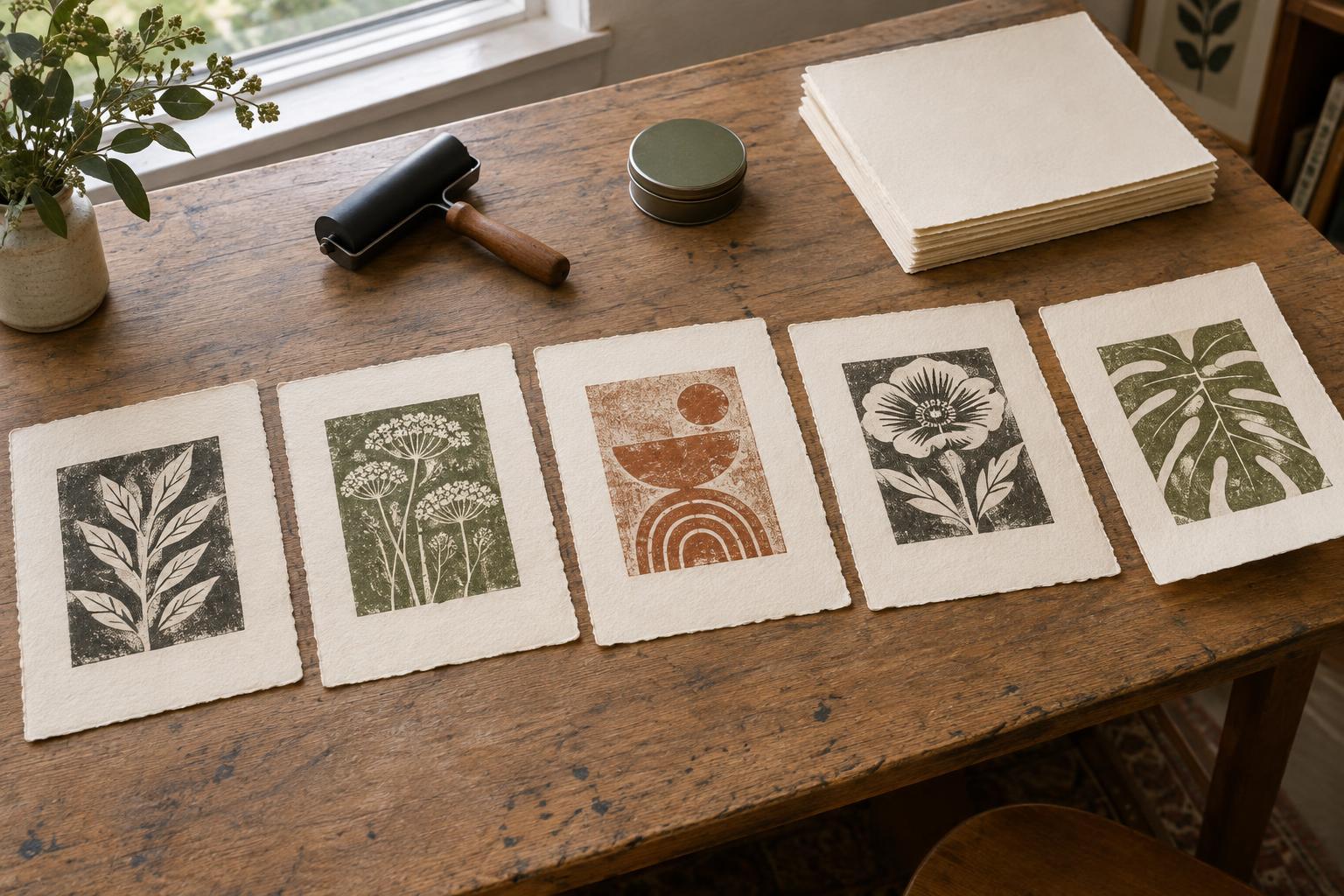
Start each work record with a title, the year you made it, your name as you want it credited, and the process used. Name processes as specifically as is useful: “linocut printed in two colors” is more informative than “relief print.” Note the image dimensions and the sheet dimensions separately, and state which is which. Add the paper name or type, ink type and colors if known. If you no longer know a detail, leave it marked “unknown” rather than guessing.
Give the work a unique catalogue identifier, such as a short prefix followed by a number. The identifier is for your records; it does not replace the title or edition number. A clear photograph or scan of a representative impression makes the record easier to search. File the image under the same identifier, and include a close-up if a texture, embossing or other subtle feature matters.
Track editions and individual impressions
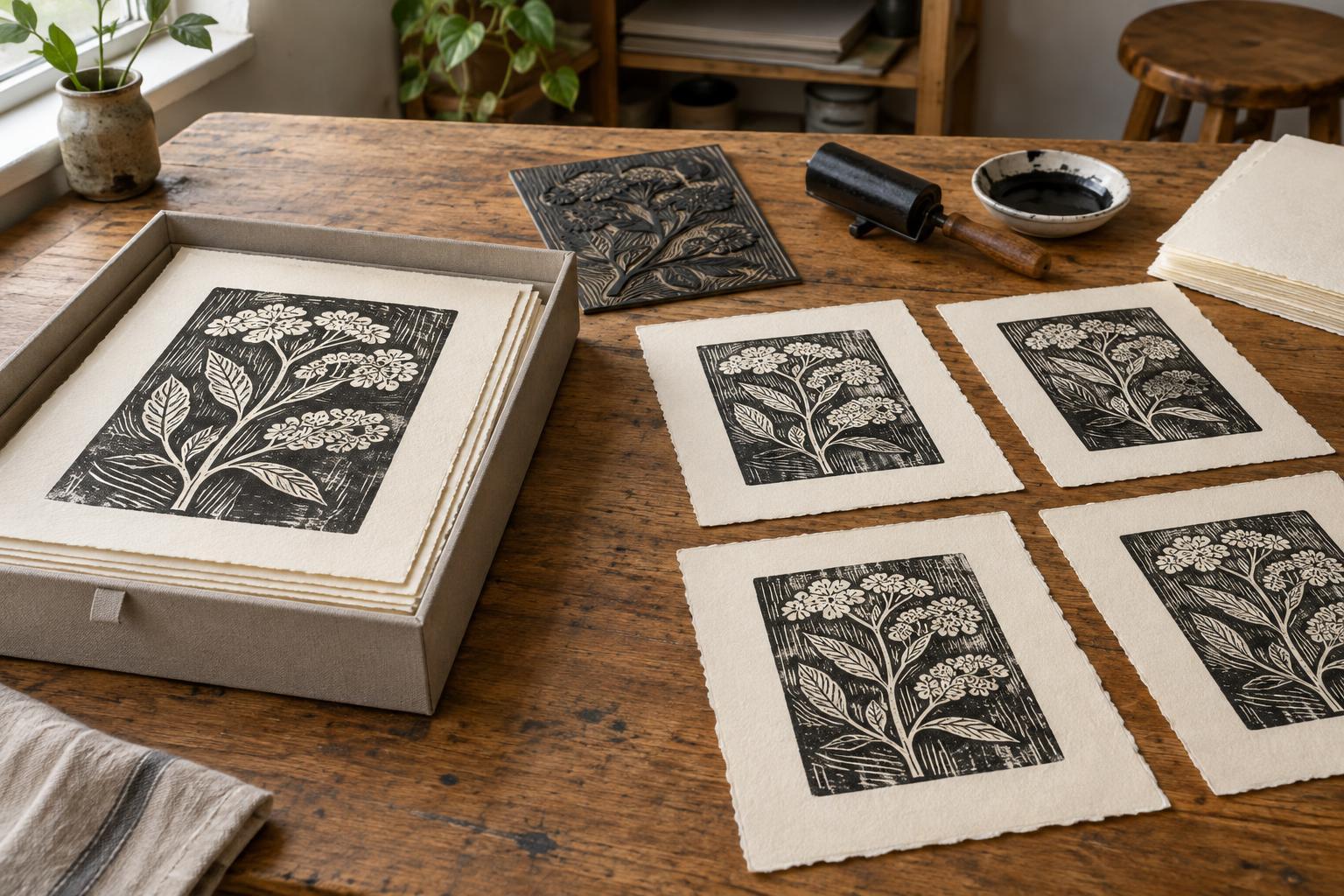
For an editioned print, record the intended edition size and the number of impressions you actually finished. Those figures can differ: some sheets may be rejected, while others may remain unprinted. Give each accepted impression its own entry or line in the catalogue, with its edition number, paper, condition and current location. If you use designations such as artist’s proof or trial proof, define what each means in your records and keep those sheets distinct from the numbered edition.
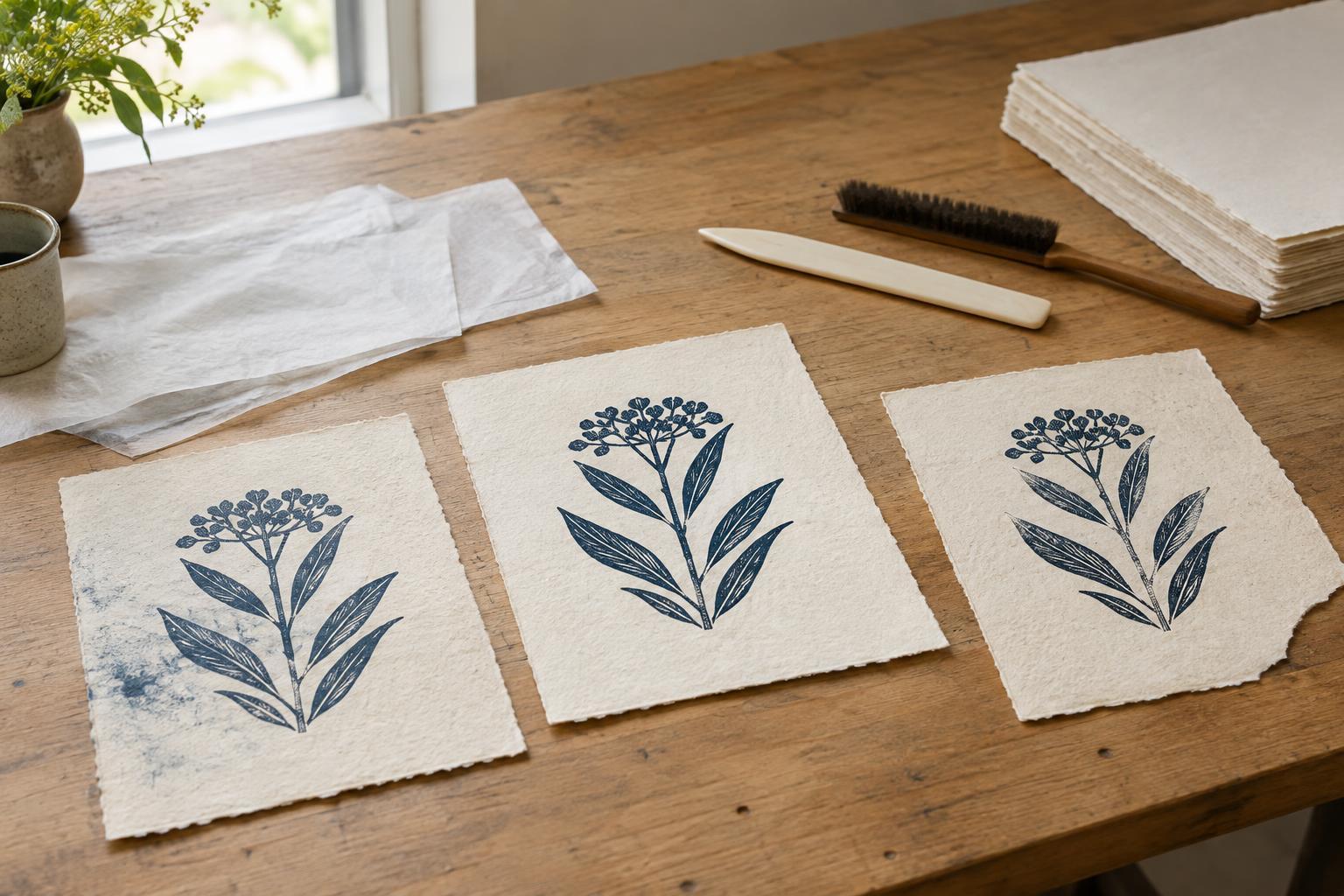
Document substantial changes rather than folding them silently into one edition. A revised block, altered plate or different color arrangement may warrant a separate state or variant. Record what changed and which impressions show the change. For monotypes and other one-off works, use an individual identifier instead of forcing an edition number onto the sheet. Consistent descriptions matter more than making every print fit the same template.
Connect the record to the physical print
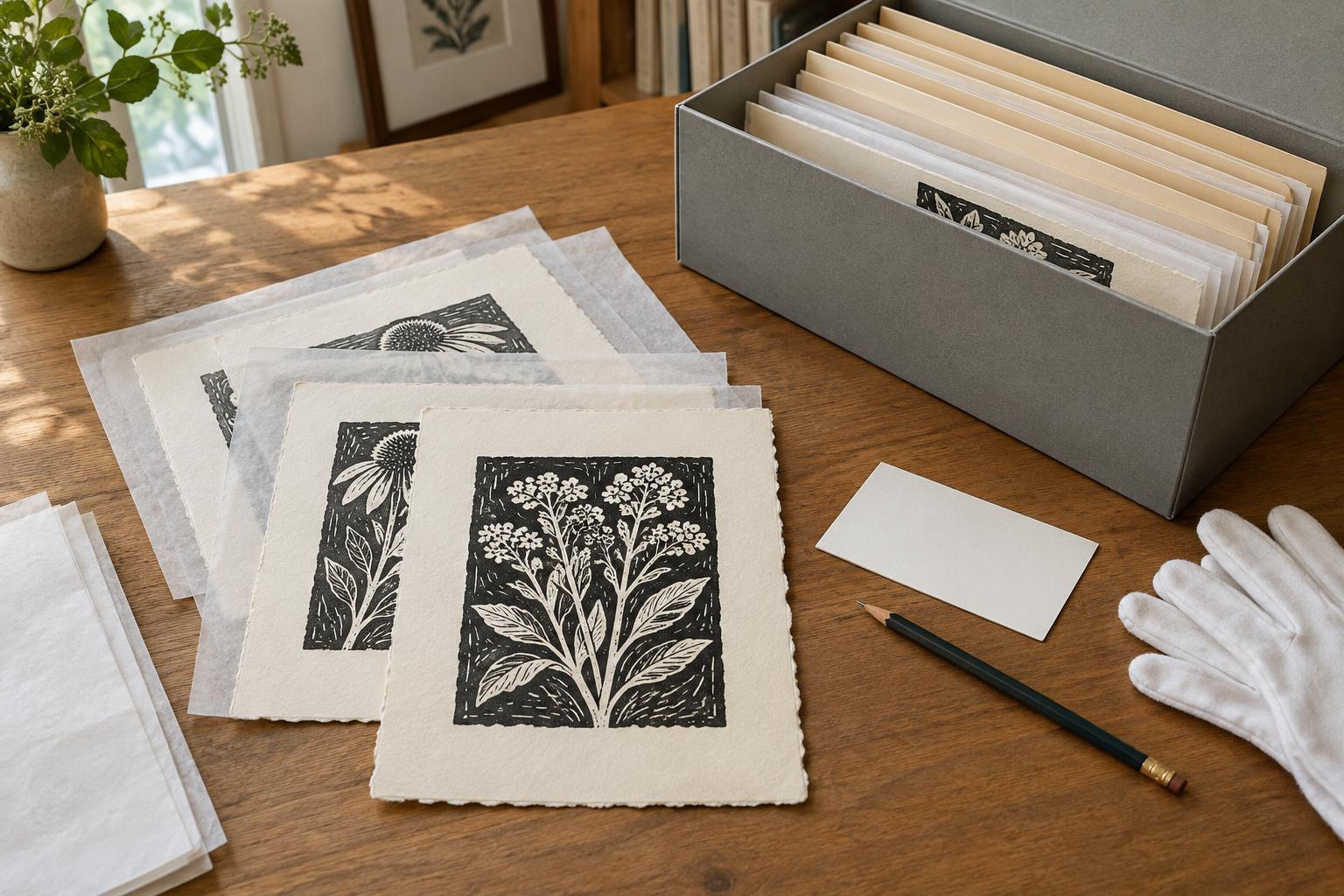
A catalogue works best when you can match an entry to an actual sheet. Where appropriate for the work, label the print with its title, edition notation, signature or date, following your usual presentation practice. Keep the catalogue identifier on a protective enclosure or backing sheet rather than adding unnecessary marks to the artwork. Note whether the impression is signed, untrimmed, mounted or framed, since those distinctions can help you locate the right copy.
Use location descriptions you can follow without relying on memory: “flat file, drawer 2, folder C” is more useful than “studio.” Record when a print moves to a frame, exhibition, buyer or another storage area, and update the location when it returns. For work you retain, protective folders and a stable, clean storage space can help reduce handling and confusion. Note visible creases, smudges or other condition issues plainly, without treating the catalogue as a conservation diagnosis.
Make recording part of finishing an edition
The easiest time to catalogue prints is while the materials and decisions are still in front of you. After the impressions have dried, sort them into accepted sheets, proofs and rejected sheets. Count each group, check any edition numbers you plan to use, then enter the work details and impression-level differences. Photograph the work in even light and check that the file names match your identifiers before putting the sheets away.
Keep a simple template so that every new record asks for the same essentials: identifier, title, process, dimensions, materials, edition or proof status, condition and location. Add optional fields only when they serve your practice. A brief review whenever you move or present prints will keep the catalogue useful long after the details of printing have faded from memory.