Define the edition before setting a price
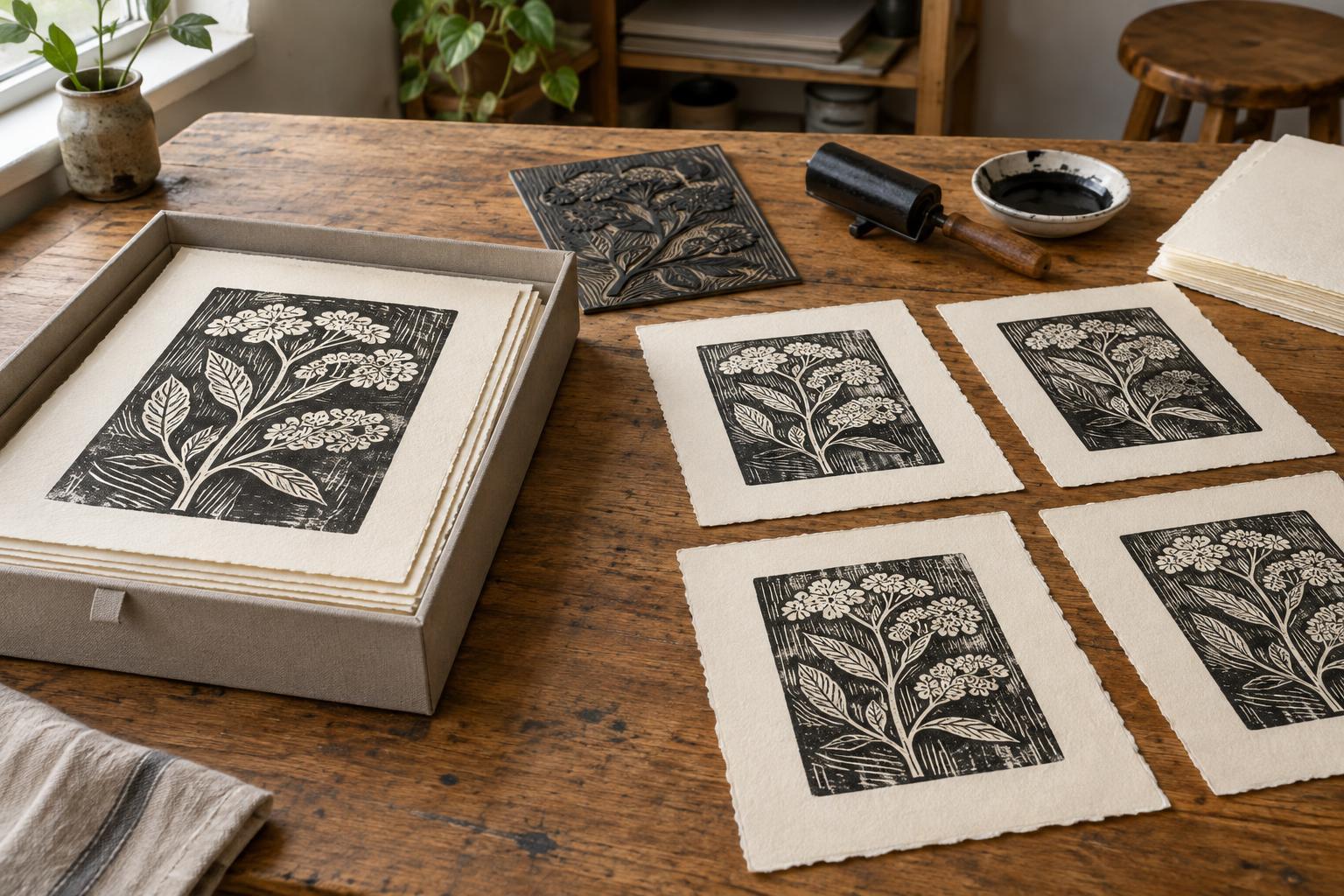
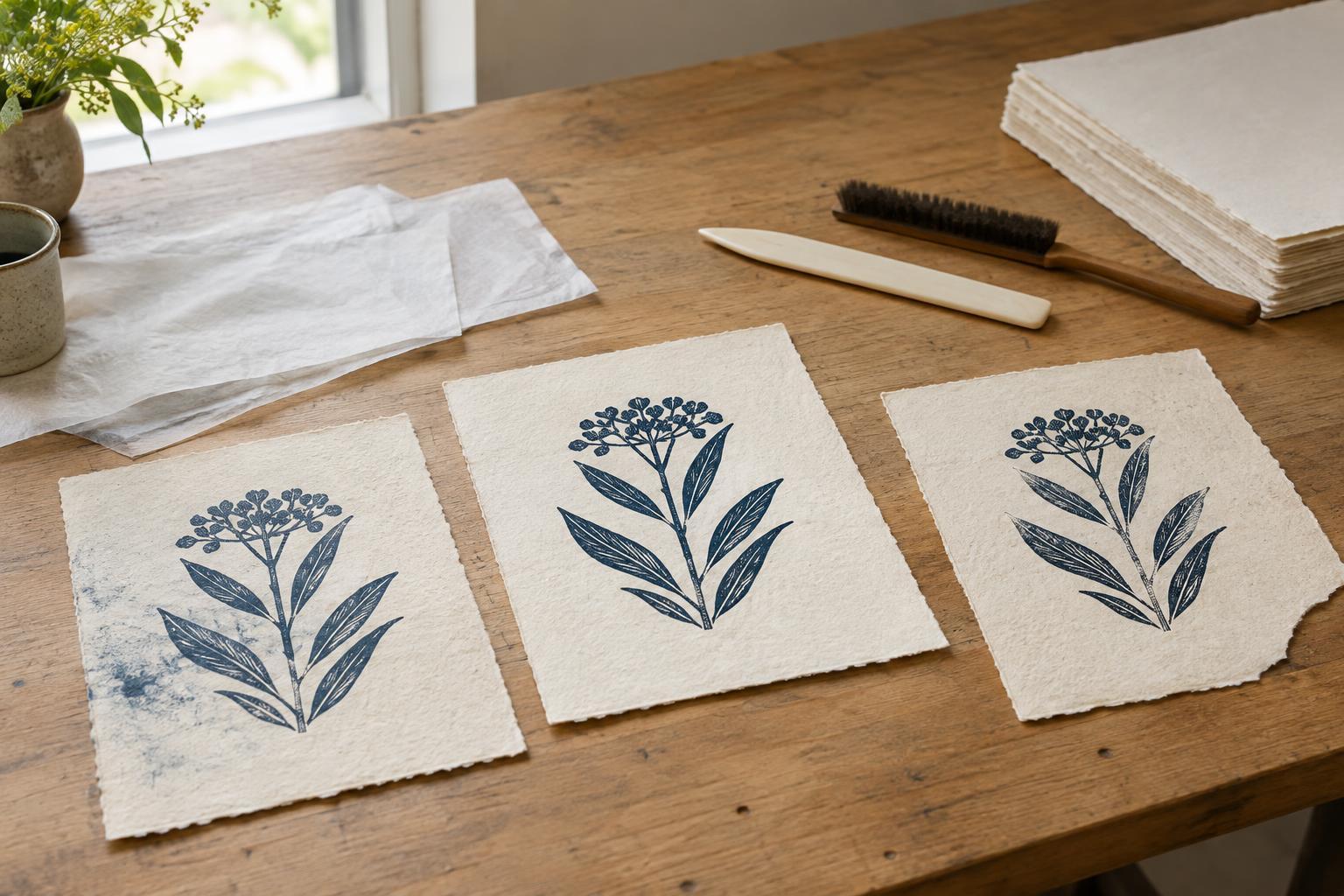
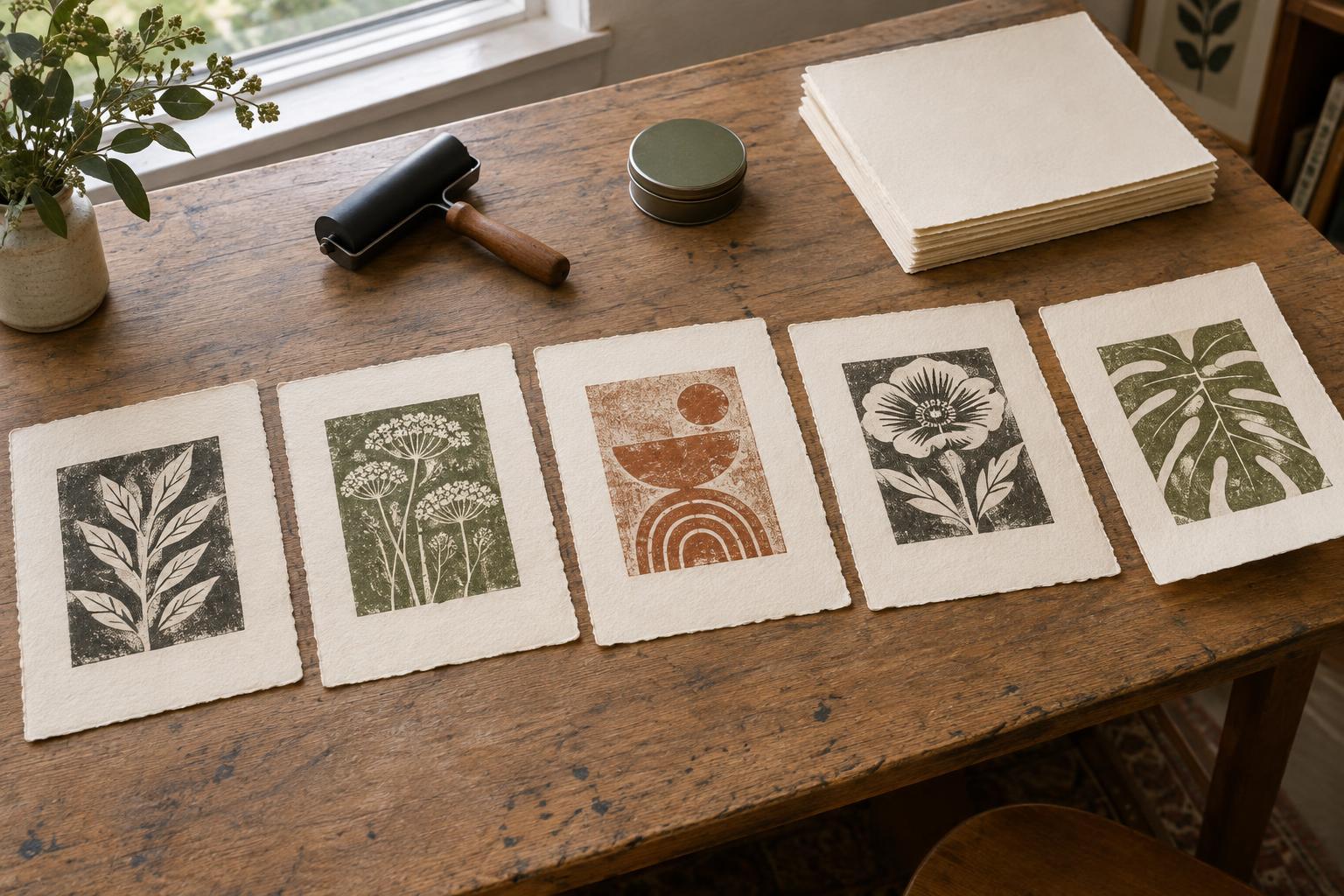
Pricing begins with a clear description of what a buyer will receive. Record the printing method, image size, paper, ink or color scheme, and intended edition size. Decide whether the edition will include artist’s proofs and how those proofs will be marked. These choices help you compare like with like when you estimate costs and explain the work to a buyer.
An edition number describes a print’s place in a planned group; it is not a measure of quality. For example, 4/20 means the fourth numbered impression in an edition of twenty. Keep the edition limit credible by deciding in advance whether later impressions from the same matrix and design will be made. If you change the image, paper, or color substantially, document the change rather than relying on a number alone to explain the difference.
Build a cost estimate for the whole edition
List expenses you can identify: paper for successful prints and likely misprints, ink, plates or blocks, screen materials, studio access, packaging, and any outside printing or finishing services. Include the cost of presenting the work if every print will be sold mounted or framed. A framed print and an unframed print need different price calculations.
Next, account for your time. Preparation, carving or drawing, proofing, printing, drying, signing, packing, and communicating with buyers all take effort. Choose a reasonable amount for your studio time rather than treating it as free. Some work, such as making a plate, serves the entire edition; printing and packing recur for each impression. Separating those two kinds of work makes the calculation easier to revise.
Divide shared edition costs by the number of impressions you realistically expect to sell, not automatically by the maximum number you plan to print. Then add the costs and time associated with each individual print. This produces a baseline, not necessarily the final selling price. It shows what a proposed price must cover before you consider the work’s scale, complexity, and presentation.
Choose a price you can explain and maintain
A useful starting price reflects your baseline costs and the value you place on the finished work. Compare it with prices for your own prints of similar size, process, and presentation. If you have no previous editions, aim for a price you can state confidently and keep consistent while you learn how buyers respond. A larger sheet or a multicolor process may justify a higher price, but neither requires a fixed markup rule.
Think about where the print may be sold. A venue may retain part of the sale price, while a direct sale may involve payment processing, shipping materials, or more of your own time. Check those arrangements before publishing a price. If you sell through several places, plan a public price that works across them instead of surprising buyers with different prices for identical impressions.
There is no need to recover every hour of experimentation through a single edition. At the same time, pricing only to cover paper and ink can make it difficult to continue producing work. Treat your first calculation as a test: if the resulting price feels too high for the print you intend to offer, consider a simpler presentation or a different edition plan rather than silently removing your labor from the estimate.
Decide how the price will behave as the edition sells
You can keep one price throughout an edition or announce a planned increase after a certain number of prints sell. Either approach can be clear and fair when applied consistently. Avoid making a print seem scarce simply because you have not yet printed the remaining impressions; state the edition limit and distinguish the number printed from the number sold when that distinction matters.
Decide how you will handle artist’s proofs, damaged impressions, and replacement prints before they become urgent questions. Proofs kept for your archive need not be offered for sale. If you do sell them, describe them plainly and record the sale. Do not number a flawed impression as though it were equivalent to the finished prints you have approved.
Make the presentation support the price
A tidy print and accurate description make a price easier to understand. Note the title, process, image and sheet dimensions, paper, edition number, and whether the print is framed. Sign and number impressions consistently, and package them in a way that protects the surface. A brief care note can be useful, especially for a buyer new to works on paper.
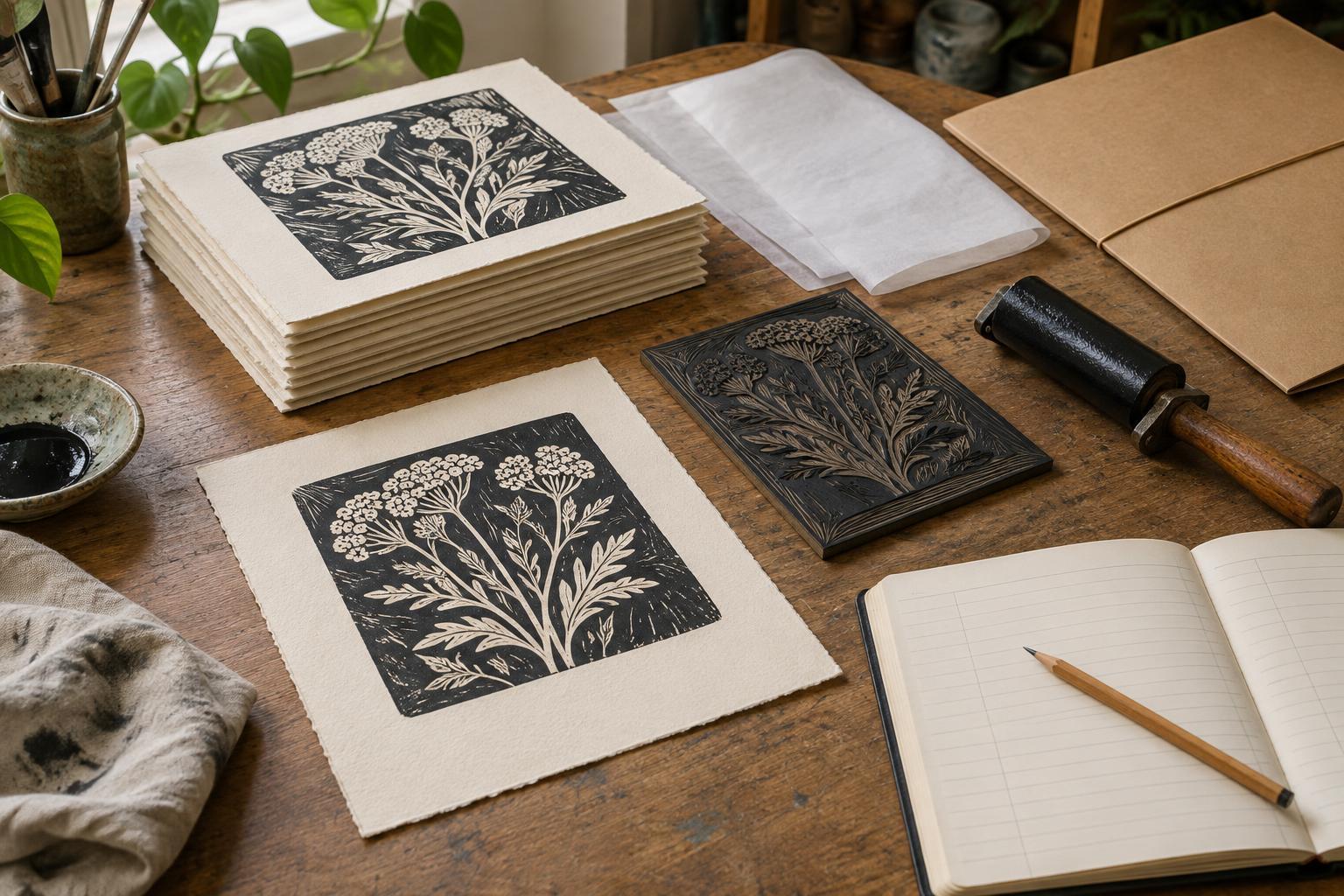
Keep an edition record with each impression’s number, printing date if useful to you, condition, location, and sale status. Save a copy of your price list when you change it. These records help you answer questions without guessing, avoid selling the same number twice, and make future pricing decisions more informed. The goal is not to find a universal price for printmaking; it is to establish a repeatable method that respects both the work and the people buying it.