Start with what an edition promises
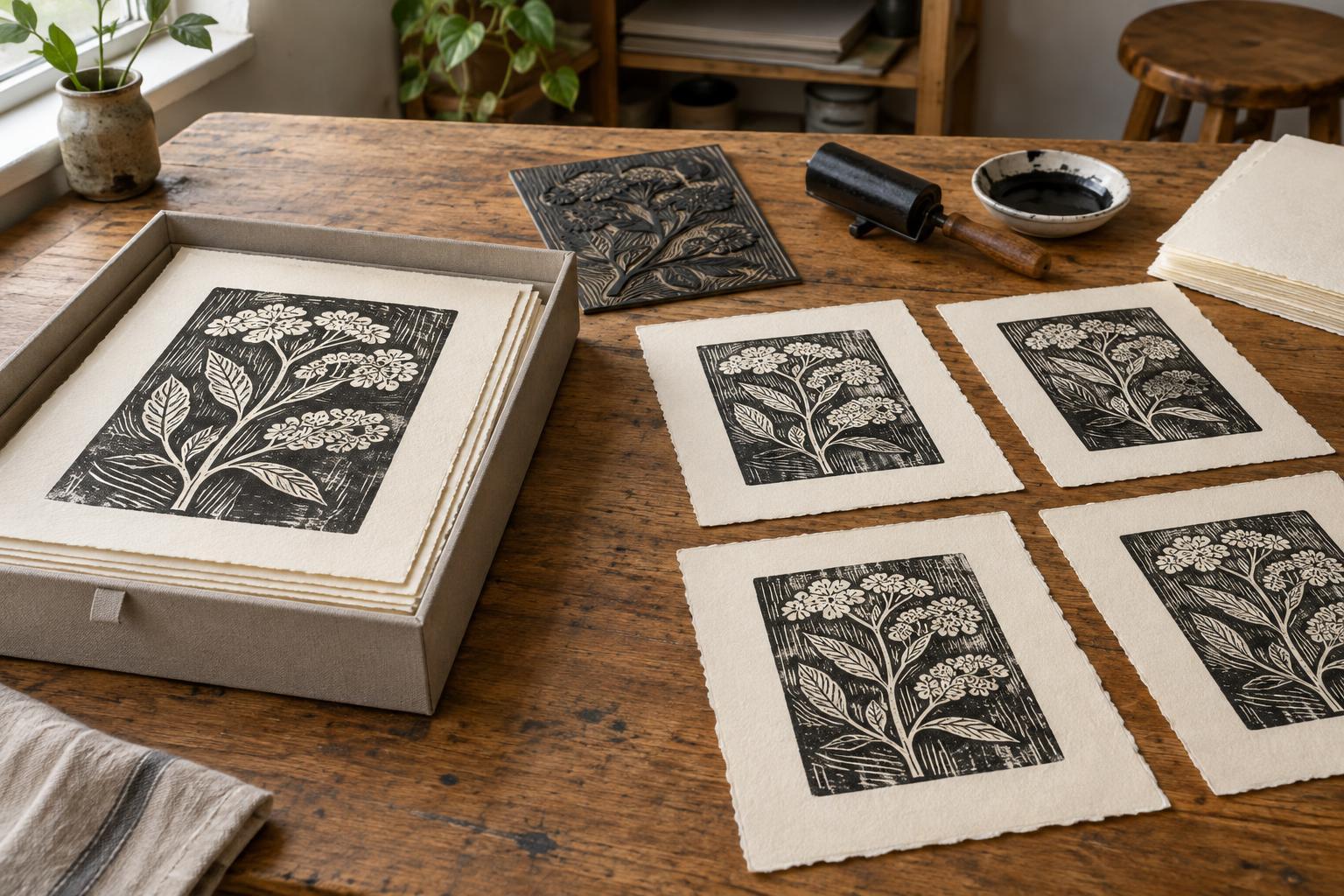
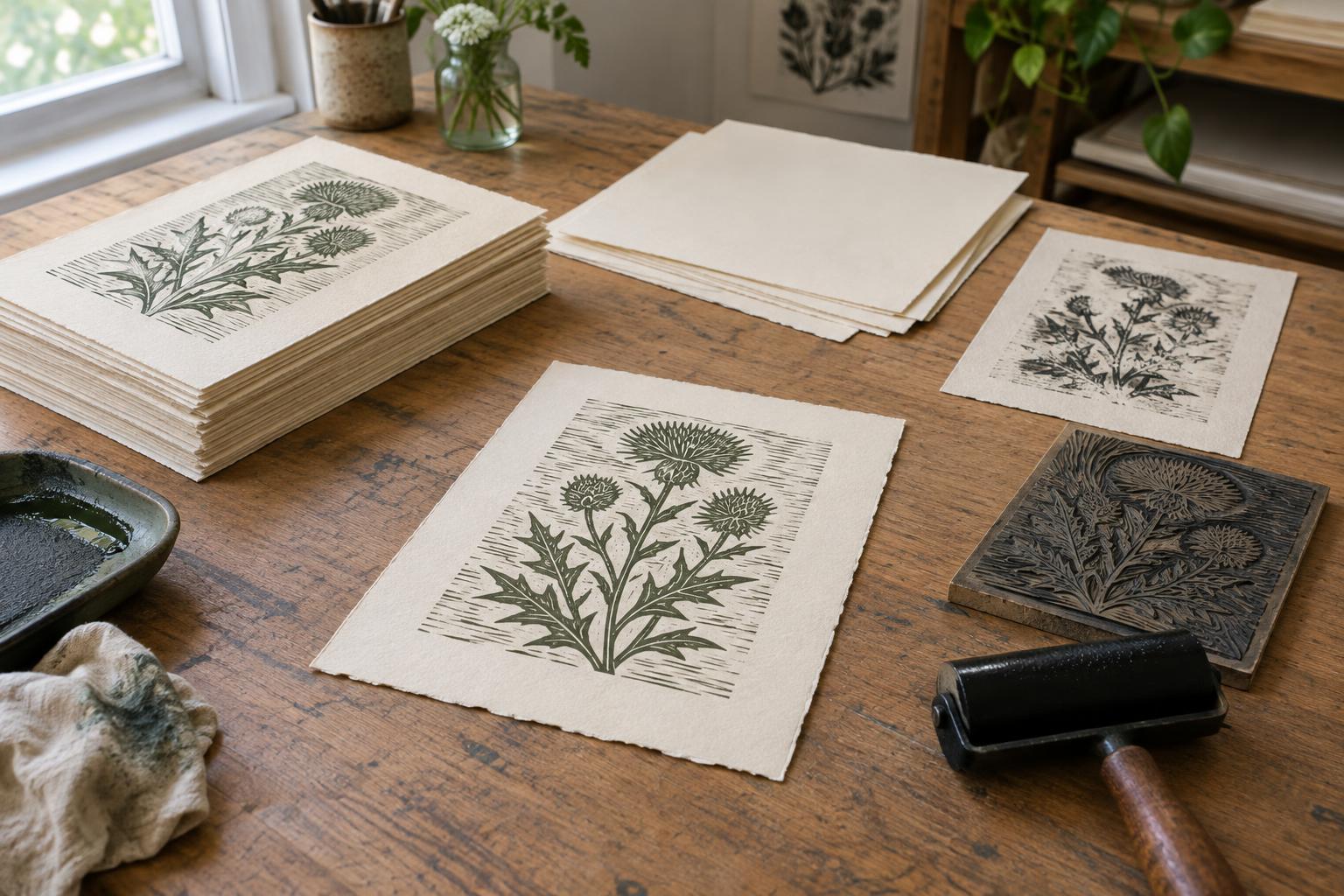
An edition is a group of prints made from the same matrix, such as a carved block, etched plate or prepared screen. A numbered, limited edition states that you intend to make no more than the declared number of edition impressions from that version of the image. Choosing a size is therefore more than picking a number that looks good in pencil: it sets a boundary you should be prepared to explain and honor.
An open edition has no predetermined limit. It can be a sensible choice if you want to print more copies as needed, particularly for a design you expect to revisit. The distinction is not a judgment of quality. A carefully made open-edition print can be just as satisfying as a limited one; the important thing is to describe it accurately rather than imply scarcity you have not committed to.
Match the number to your process and stamina
Before choosing a limit, make a few finished test impressions and note how long each acceptable print takes. Include setup, inking, registration, drying space and cleanup, not just the moment of pulling the print. A single-color linocut you can ink consistently may support a larger edition than a multi-layer print requiring delicate alignment. A matrix that changes noticeably with use may call for a smaller one.
Ask yourself how many impressions you would willingly make to the same standard. If printing twenty feels enjoyable but printing fifty sounds like a chore, that is useful information. An edition can be completed over several sessions, but returning to a process may require you to match ink, pressure and paper handling. You do not have to choose the largest number your matrix could possibly produce.
Plan for paper, rejects and proofs
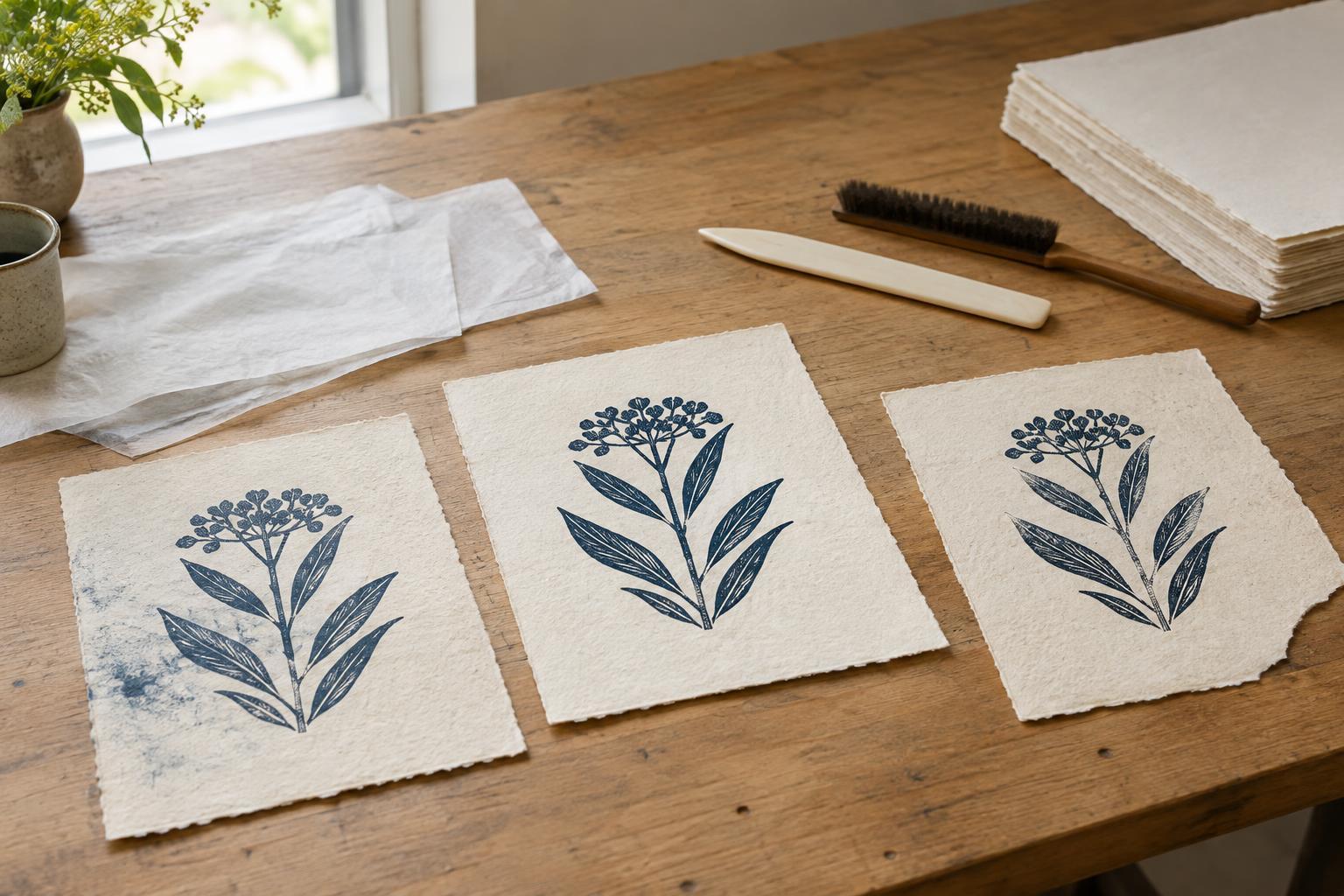
The edition number counts acceptable edition impressions, not every sheet that passes through the press. Allow extra paper for tests, registration errors, uneven inking and other rejects. If the design uses a particular paper or ink mixture, check that you can obtain enough to finish the edition with reasonable consistency. Keeping a few notes and a reference impression can help when you print across multiple sessions.
Decide in advance whether you will keep any proofs outside the numbered edition, and record what they are for. A working proof used to adjust the image is different from a finished impression reserved for the artist. Terms such as “artist’s proof” are used in different ways, so a clear written record is more useful than relying on a label alone. If you plan to share or sell finished proofs, be open about how many exist in addition to the numbered edition.
Decide what belongs in the same edition
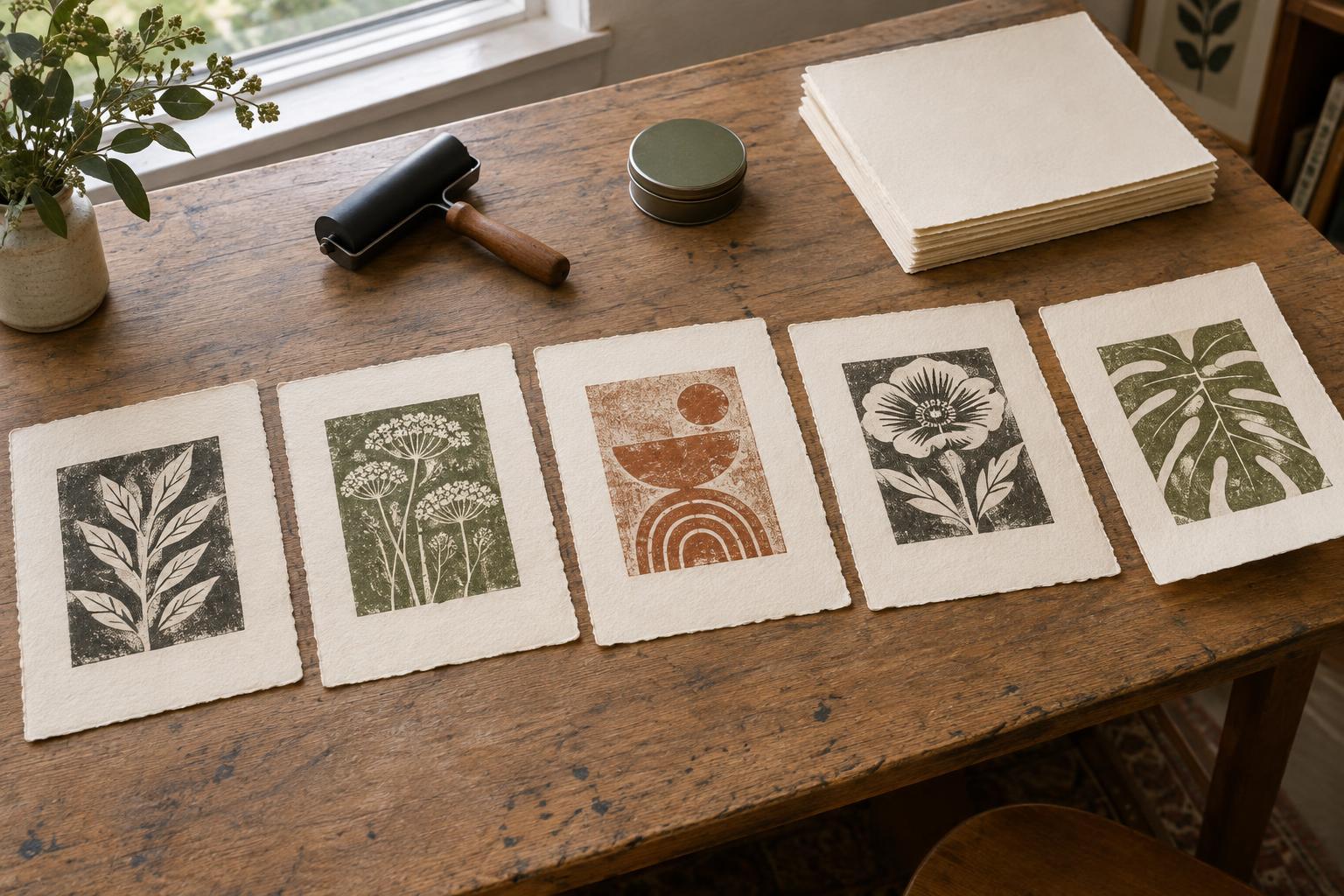
Impressions in one edition should represent the same intended version of the print, although small handmade differences are normal. A deliberate change to the block, plate or screen, or a substantial change in color scheme, may be clearer as a separately identified variant or new edition. There is no need to treat every slight shift in ink density as a new work, but viewers should be able to understand what your edition number covers.
If you are experimenting, you can postpone setting a limited size until the image and method feel settled. Mark trial impressions as trials in your records so they are not confused with finished edition prints. Once you announce a limit, resist the temptation to quietly extend it because the image proves popular. For a new colorway or altered matrix, give the new version its own description rather than adding impressions to the original numbered group.
Number and document the finished prints
A common numbering format is a fraction such as 3/20: the first number identifies an impression, and the second states the edition limit. It does not necessarily mean that impression was the third one pulled or that it is better than number 19. Number only prints you are willing to include in the finished edition, and use a consistent place and method for the number, title and signature if you add them.
Keep a simple edition record with the image title, matrix and printing method, paper, inks, planned limit, proofs, and the number of acceptable impressions completed. Note any intentional variants and where individual prints go. If you stop before reaching your planned limit, your record can show that the edition remains incomplete; you need not print unwanted copies just to fill it. A modest edition that you can make and describe confidently is a better starting point than an ambitious number you cannot comfortably support.