Start with the print, not the frame
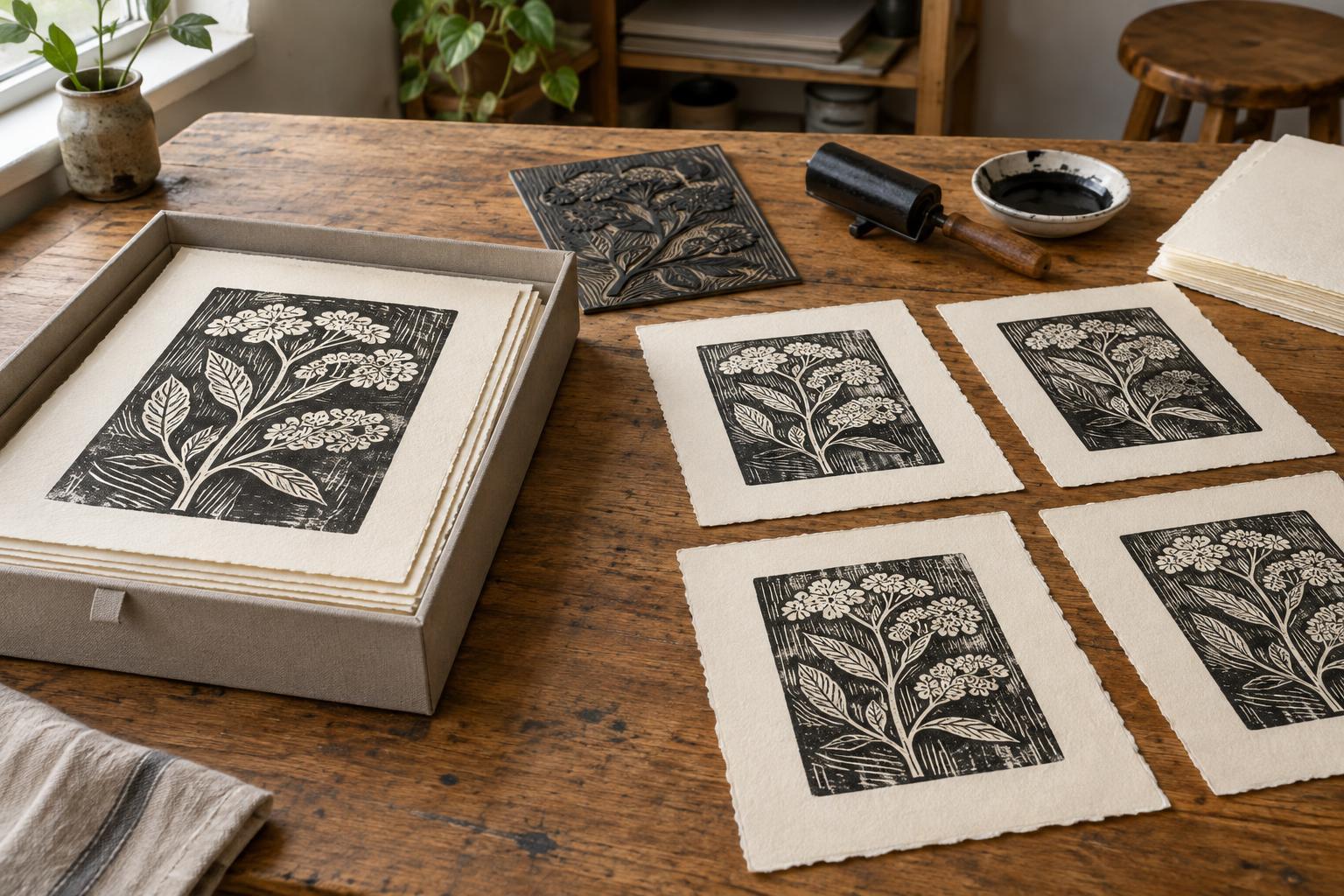
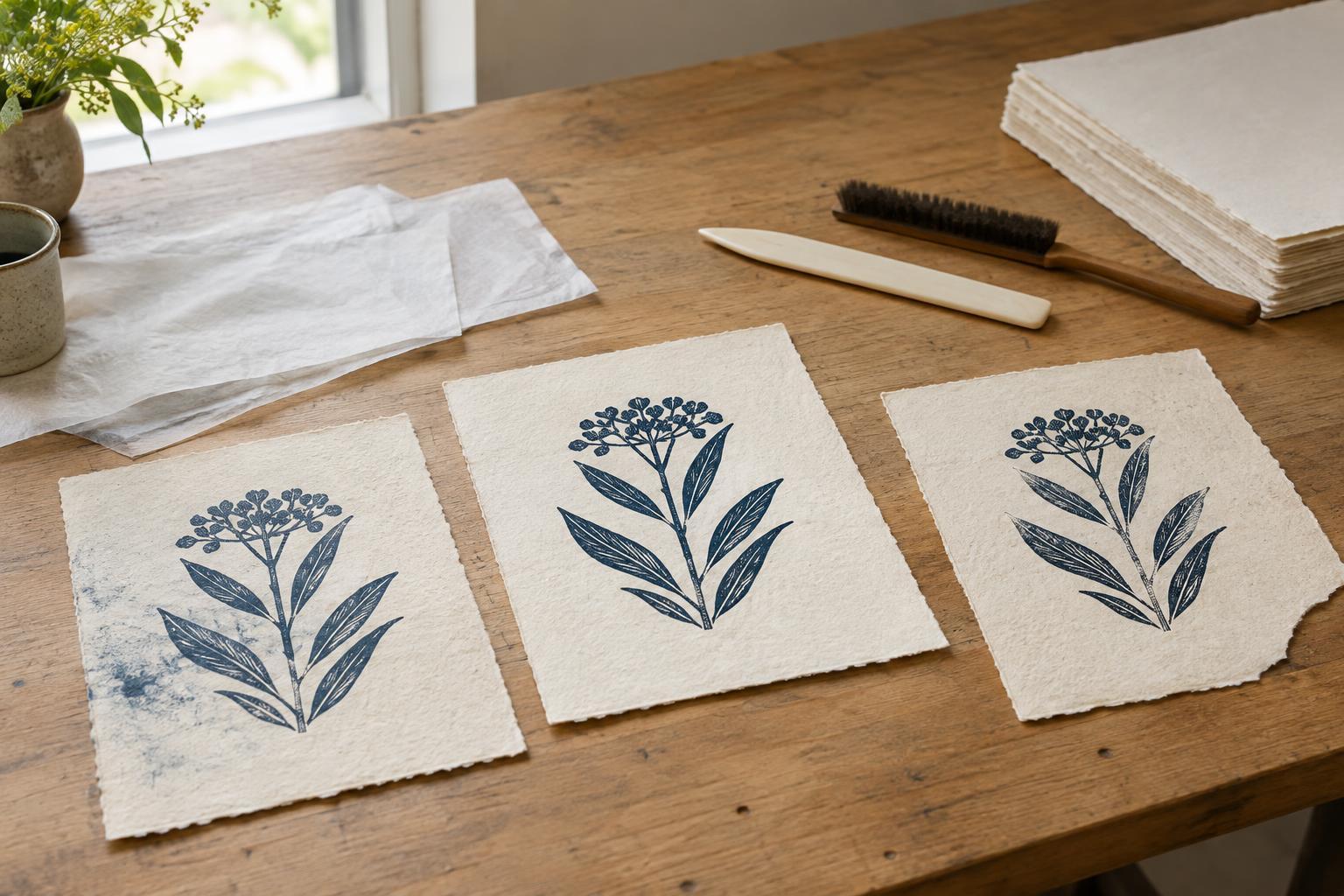
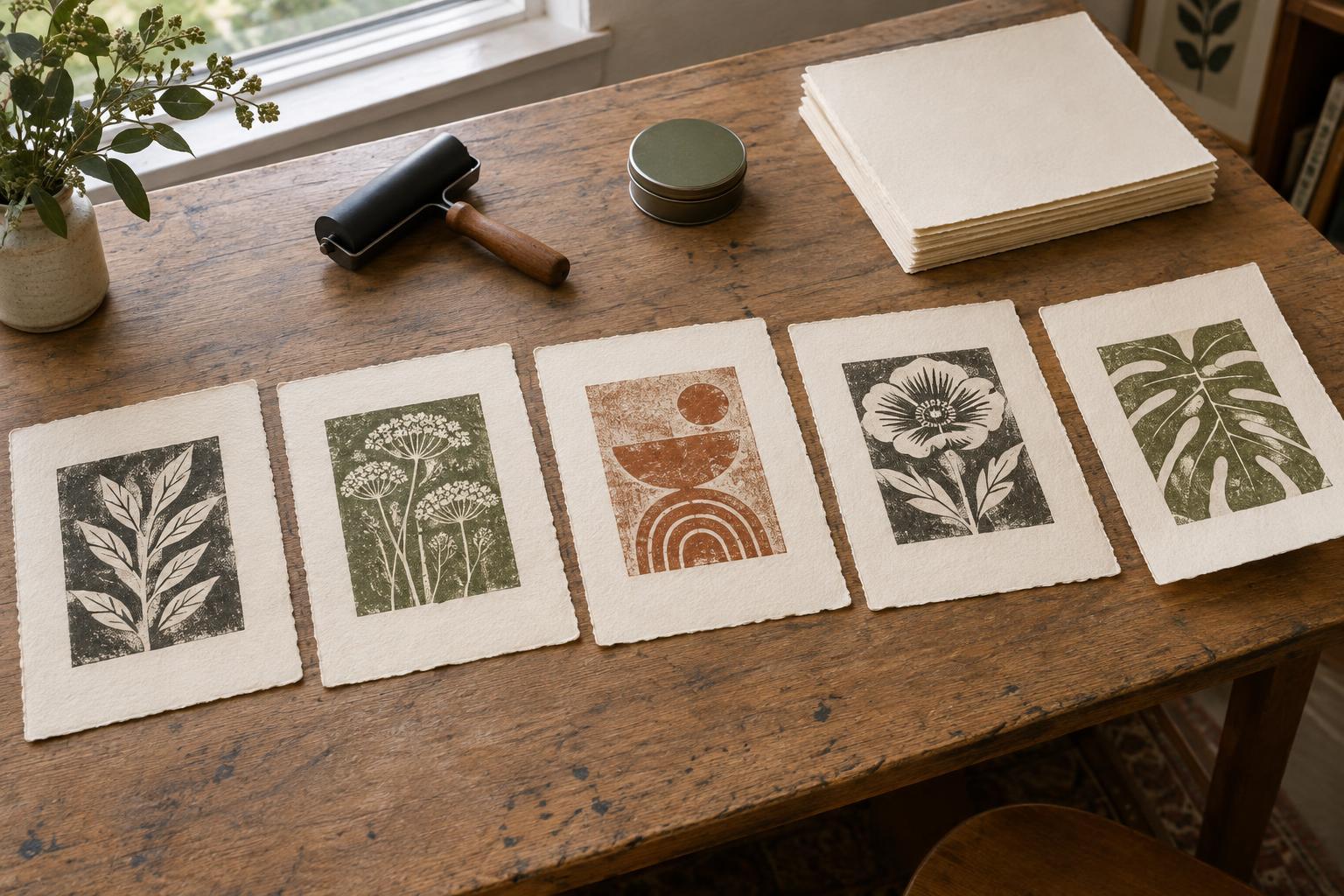
A frame should suit the print’s image, paper and intended display space. Before choosing a moulding, look at the full sheet rather than only the printed area. Deckled edges, plate marks, borders, signatures and edition numbers may all be part of how the artist intended the work to be seen. Decide which of these details you want visible, then measure the sheet and image accurately.
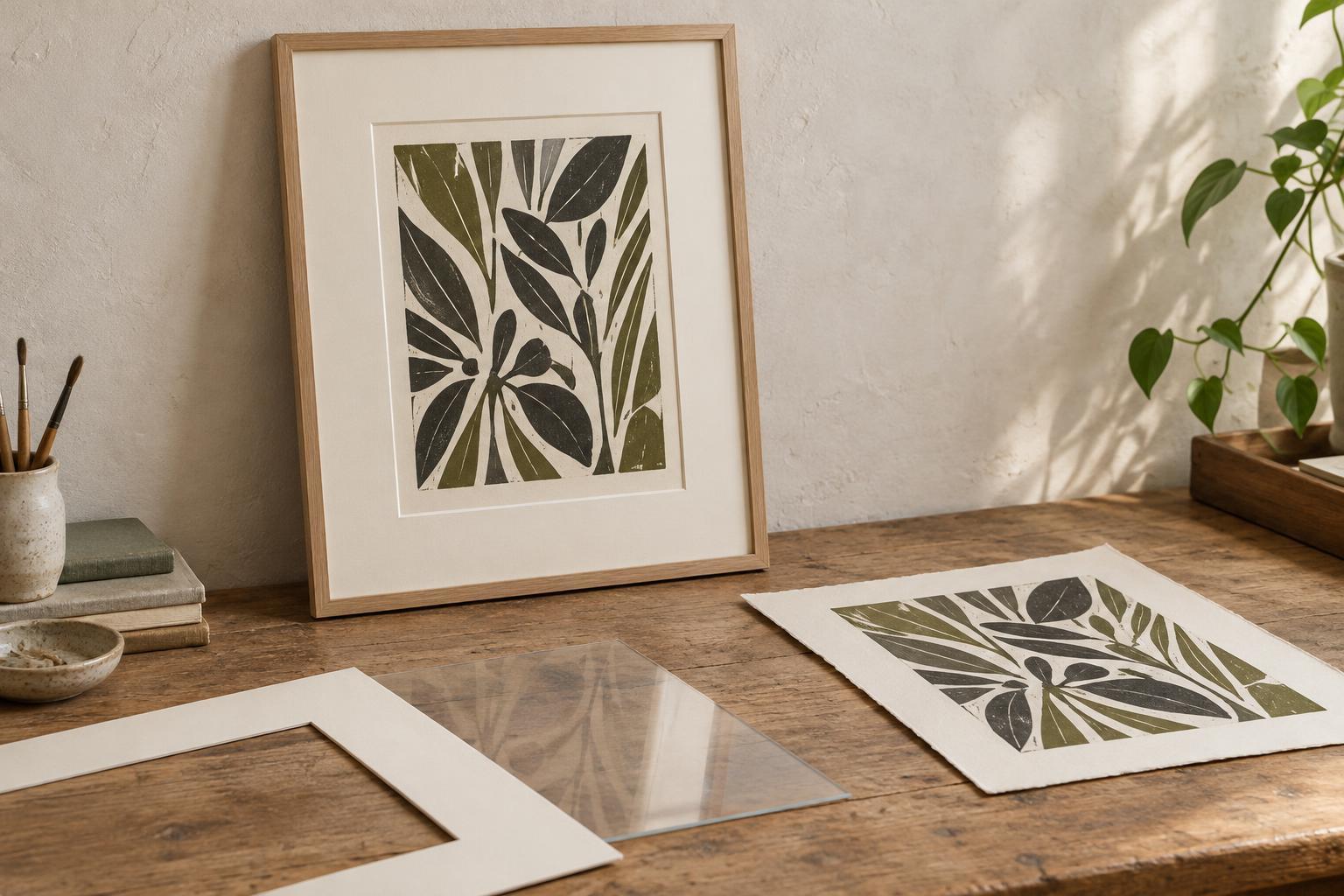
A quiet frame often gives a detailed print room to breathe. A narrow wood or metal profile may work well for fine lines, while a larger work can sometimes carry a broader frame. These are starting points, not rules: try placing frame samples beside the print in the light where it will hang. Consider the frame’s strength as well as its appearance, especially for a large sheet or heavy glazing.
Give the surface space
The printed surface should generally not touch the glazing. A window mat creates a gap and gives the eye a transition between image and frame. Spacers can provide that gap when you want to show the entire sheet without a mat. Check that the chosen gap accommodates any raised ink, embossing or paper texture; a deeply embossed print may need more space than a flat one.
Mat proportions affect the presentation. A wider border can make a small image feel deliberate within a larger frame, while a restrained border may suit a bold composition. A window mat can cover the sheet edges, so consider a float mount if deckles or the complete paper shape matter. Whatever the design, avoid pressing the sheet tightly against the mat opening. Allow a little room for the paper to move as humidity changes.
Compare glass and acrylic
Standard glass offers a clear, hard surface and is less prone to scratching during routine cleaning. Its weight and risk of breakage can be drawbacks for large frames or work that must travel. Acrylic is lighter and resists shattering, making it useful in those situations, but it scratches more easily and can attract dust through static. That static deserves particular attention with loose media on paper; seek experienced framing guidance before placing such a work behind acrylic.
Both glass and acrylic are available in versions designed to reduce reflections or filter some ultraviolet light. Check the specific product rather than assuming all glazing of one type performs alike. Reduced reflections can help a dark or finely detailed print remain legible in a bright room. UV-filtering glazing can reduce one source of light damage, but it does not make direct sun or strong lighting harmless. If a product has a coating, follow its cleaning instructions to avoid damaging the surface.
Choose materials and mounting with care
Materials touching or enclosing the print matter as much as the visible frame. Ask for mat board and backing intended for the long-term storage or display of works on paper. Ordinary cardboard and some tapes can discolor or leave residues over time. A backing board also helps shield the print from dust and changes in the environment behind the frame.
A print is usually better supported with a mounting method that can be removed without harming the sheet. Paper hinges attached near the top edge are one common approach; they let the sheet hang rather than fixing every side rigidly. Adhesive directly across the back, spray mounting and dry mounting can be difficult or impossible to reverse and may change the character of the paper. For a valuable, fragile or already damaged print, consult a qualified paper conservator or experienced framer before mounting it.
Plan for display and future handling
Before closing the frame, check the print, mat and inside of the glazing for dust. Make sure the sheet sits straight, the glazing stays clear of the image and the backing is secure. If a signature or edition number will be hidden by the mat, photograph it for your records first. Keep any label or documentation with the print’s records rather than attaching it to the artwork.
Hang the finished piece away from direct sunlight and places with frequent moisture or temperature changes. Use hardware suited to the frame’s weight, and inspect the frame occasionally for dust, loose fittings or signs of moisture. Framing is not only a final decorative step: choices that leave the print supported, separated from the glazing and straightforward to remove will make it easier to enjoy and care for later.