First, what is an edition?
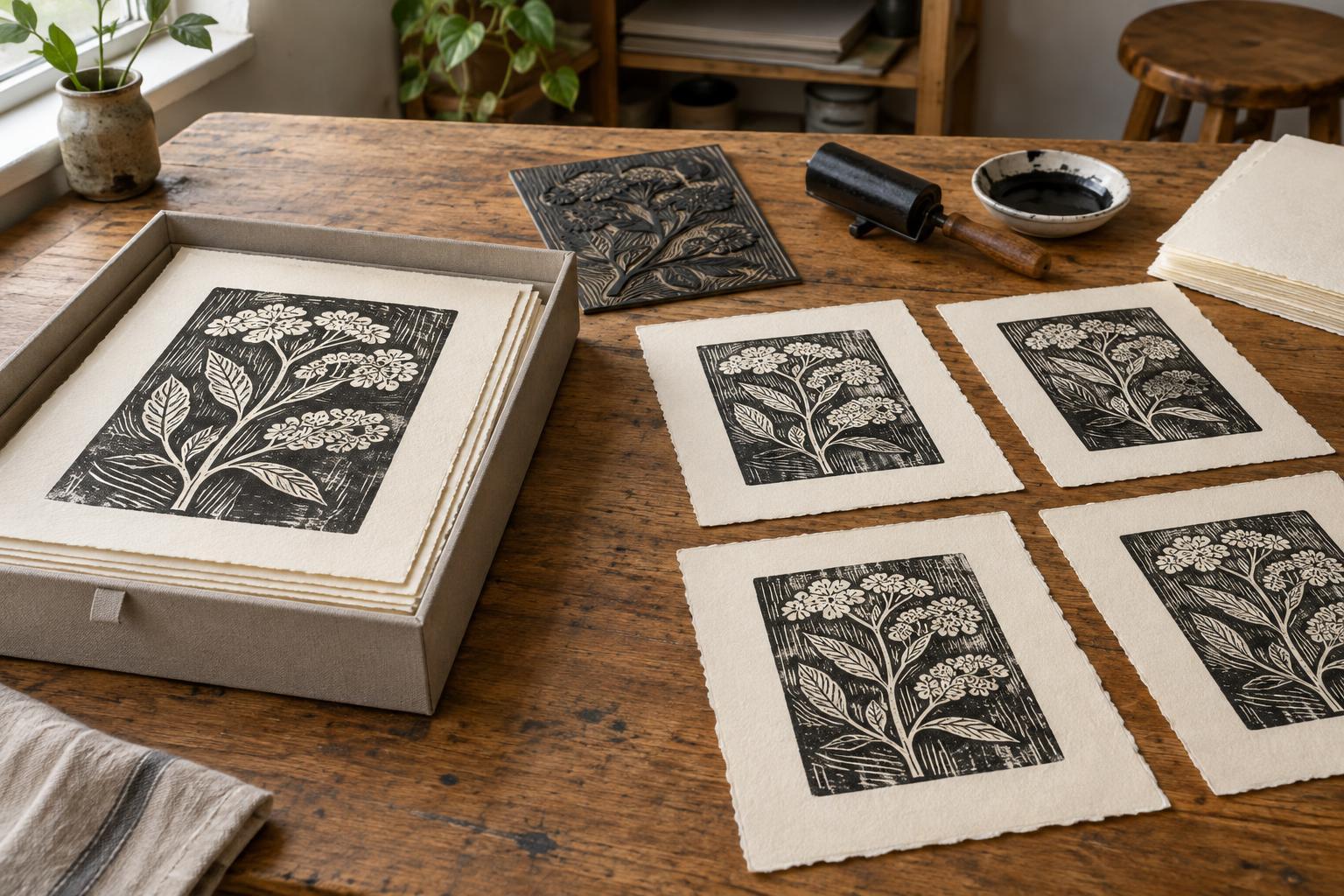
An edition is a planned group of prints made from the same image, usually under reasonably consistent printing conditions. An artist might choose a paper, ink, color arrangement and method of wiping or registration, then print a stated number of impressions. Those accepted impressions can be numbered 1/20 through 20/20, for example. The fraction identifies an impression within the edition; it does not describe its quality or the order in which every sheet came off the press.
Proofs sit alongside that plan. Some help the artist decide what the finished print should look like. Others are impressions kept outside the numbered edition. The terms describe different roles, not grades of artistic merit. Because workshop customs vary, a clear record of what was printed and how each sheet relates to the edition is more useful than relying on initials alone.
Artist’s proofs: finished prints outside the numbered edition
An artist’s proof, commonly marked A/P or AP, is generally a finished impression that matches the intended edition closely but is set aside from its main numbering. Historically, such impressions were reserved for the artist; today, an artist may keep, exhibit, give away or sell them. An artist’s proof is not automatically rarer in appearance or better printed than an edition impression. Ideally, both meet the same standard.
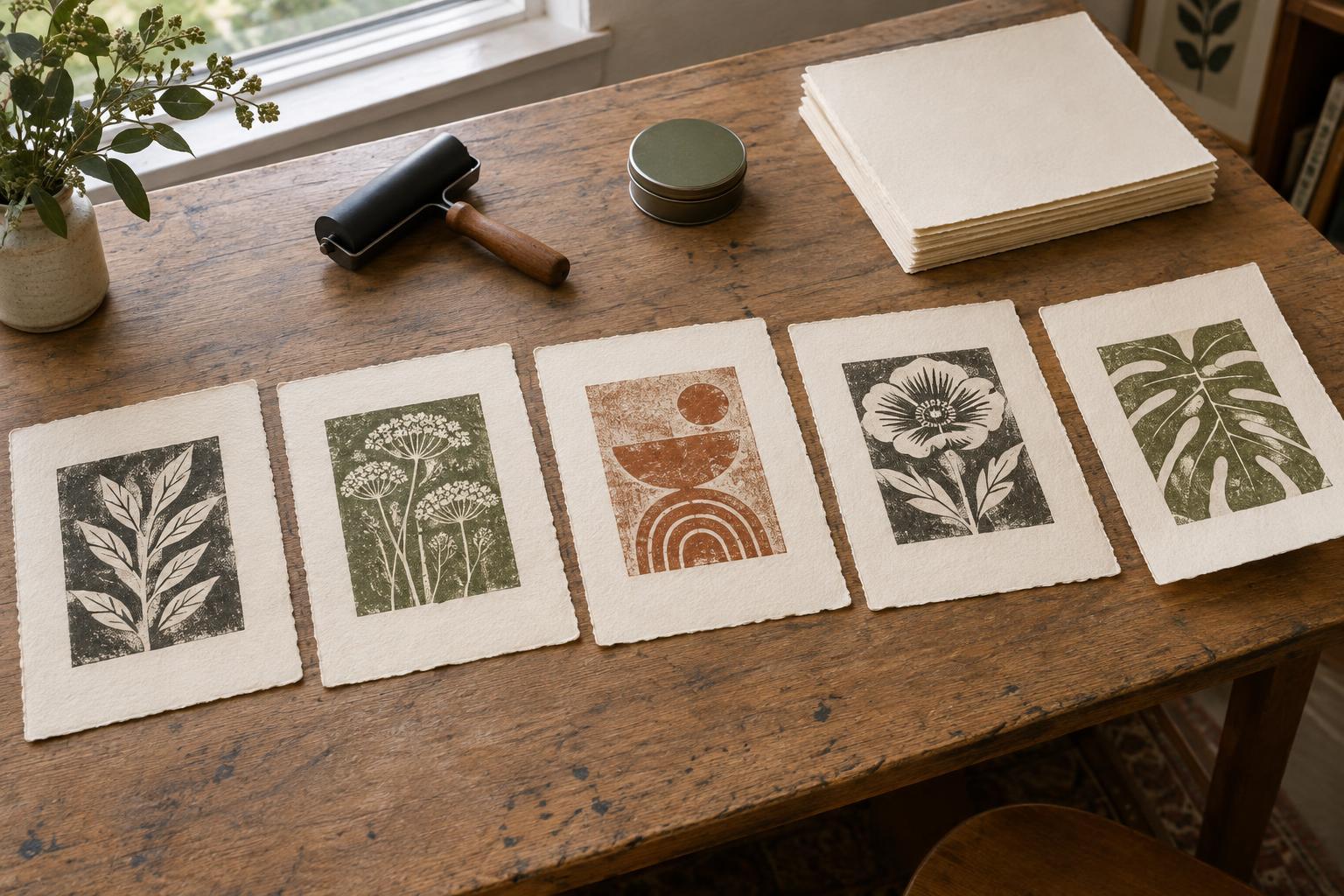
If you plan artist’s proofs, decide how many there will be before printing and note that number in your edition record. You might mark a sheet “A/P 1/3” to show that it is the first of three artist’s proofs, separate from an edition of 20. Practices differ, so the important point is to make the total understandable. If an impression differs noticeably in color, paper or image, simply calling it an artist’s proof may hide information a viewer would want to know; describe the variation as well.
Trial proofs: testing before you commit
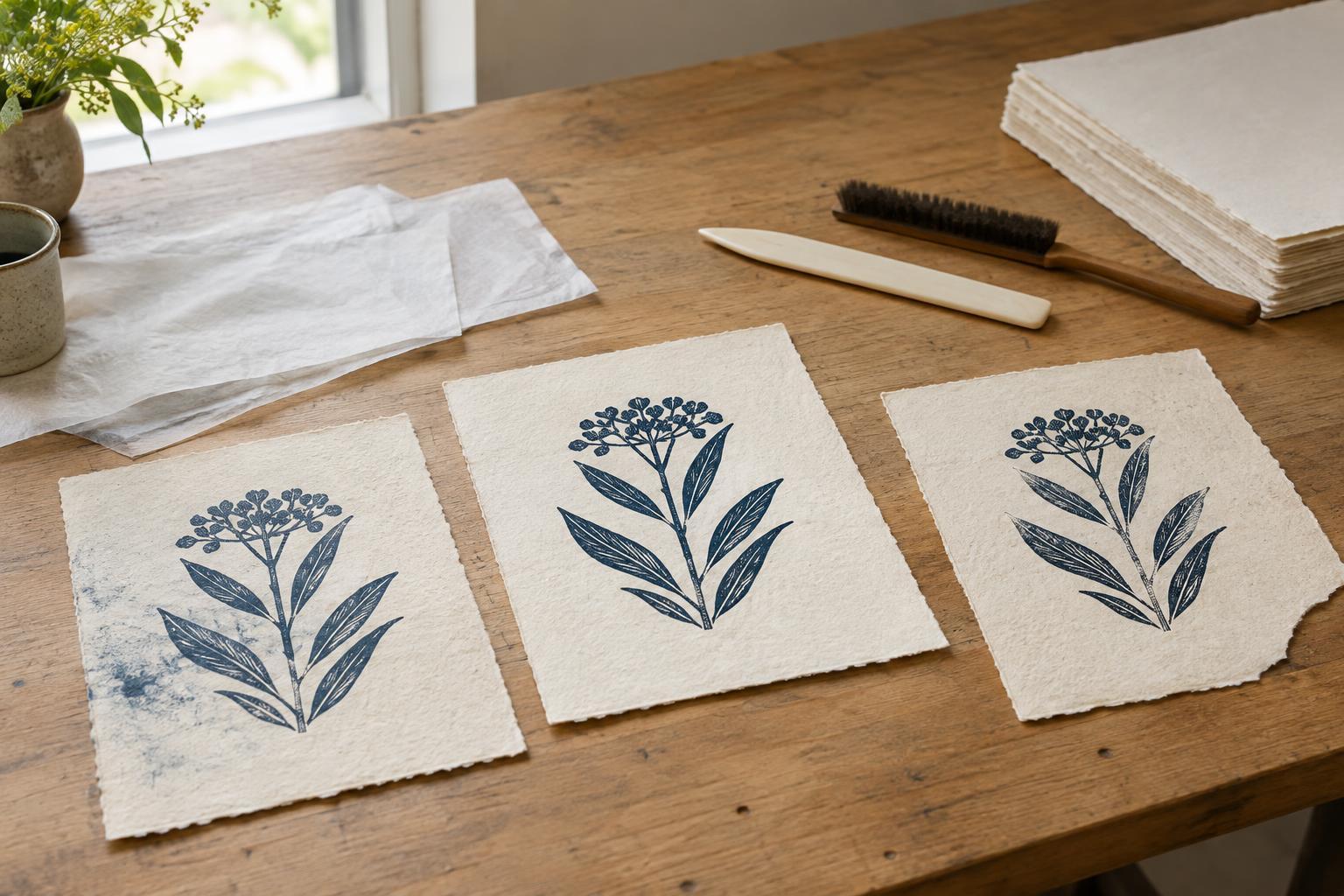
A trial proof is an impression made to test a developing print. It can reveal whether a carved line reads clearly, whether a screen is exposing as intended, or whether the ink and paper work together. Artists may pull several trial proofs while adjusting pressure, registration, color or wiping. These sheets need not be identical or meet the standard chosen for the final edition.
Marking a trial proof “T/P” or “trial proof” tells a future viewer why it exists, but a note beside the mark tells a fuller story. Consider adding “first blue layer,” “lighter wipe” or “before final registration adjustment.” Date and store tests that inform your decisions, especially when the differences are subtle. You do not have to preserve every setup sheet: the useful distinction is between a documented experiment and an impression accepted into the finished edition.
State proofs: recording a changed image
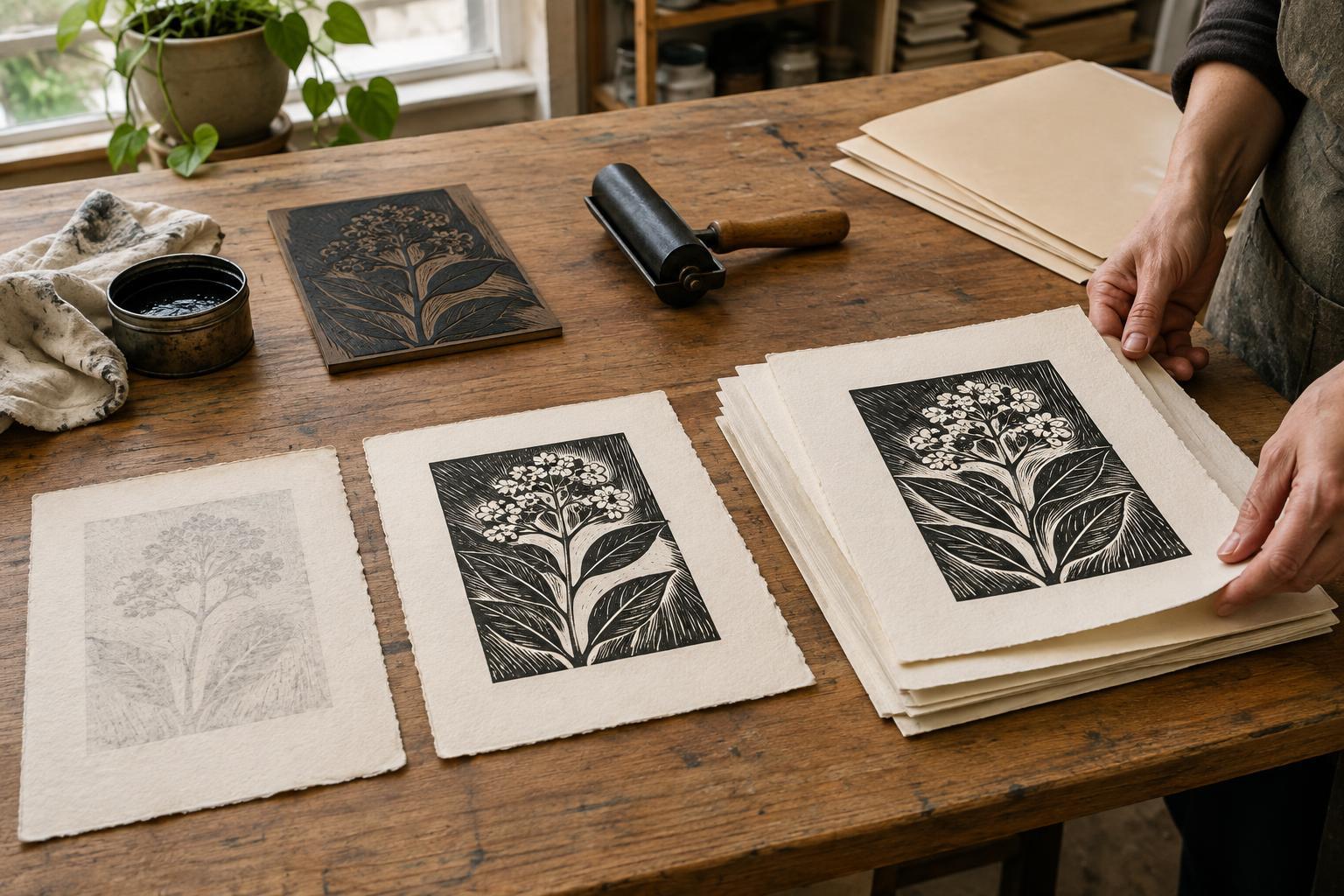
A state proof documents the image at a particular stage of change to its matrix—the plate, block or other image-making surface. Suppose an artist prints an etched plate, adds more lines to the plate, then prints it again. An impression from the earlier version records one state; an impression after the new lines records another. State proofs let the artist compare those versions and preserve a visible account of how the image developed.
The term is most helpful when the image itself has been altered, rather than when only the ink color or paper changes. Those printing choices may still deserve careful notes, but they do not necessarily create a new state. Labels such as “first state, 1/2” and “second state, 1/3” can show which version a sheet represents and how many impressions of that state were kept. Record what changed, because a later viewer may not spot a small alteration without help.
A simple labeling and storage routine
Before starting an edition, write down your intended edition size, any planned artist’s proofs and the criteria for an accepted print. As you work, keep trial proofs in sequence and note the change tested on each sheet or in a matching studio log. If you alter the image, start a new state entry. When the printing is complete, count the accepted edition impressions and proofs separately so that your labels match what actually exists.
Put identifying information consistently on each sheet, commonly in pencil in the margin when the paper and presentation allow it. Keep a separate record of the title, process, paper, ink, edition size, proof counts and significant variations. Store proofs with protective sheets or folders appropriate to the materials, and make their labels visible without repeated handling.
These habits serve both the maker and the viewer. An artist’s proof identifies a finished impression outside the main edition; a trial proof explains an experiment; a state proof captures a stage of the image. Clear labeling preserves those distinctions even years after the studio decisions have faded from memory.